The doors swing upward, the stainless steel catches the light, and suddenly a parking lot feels like a movie set. The back to the future car is a DeLorean DMC-12, transformed on screen into Doc Brown’s time machine. Beneath the cables, vents, and fictional flux capacitor sits a real sports car with a remarkable story of its own. Every car has a story. Here’s this one.
The DeLorean was not chosen because it was the fastest car of its era. Its angular shape and unpainted metal body made it look as though it had arrived from somewhere else. That visual oddness was perfect for a film about a teenager, an eccentric inventor, and an accidental trip through time.
What is the back to the future car?
The movie car began as a DeLorean DMC-12, the two-seat coupe produced by the DeLorean Motor Company in Northern Ireland. Its most recognizable features are its gullwing doors, brushed stainless steel exterior panels, and wedge-shaped profile. Giorgetto Giugiaro’s Italdesign was responsible for the car’s exterior design.
In the original film, Doc Brown outfits the DeLorean with a flux capacitor, the fictional device that makes time travel possible. Once the car reaches 88 mph and the system has the required 1.21 gigawatts of power, movie magic takes over. Plutonium supplies that power in the original setup; later in the story, lightning provides the necessary energy.
There’s a wonderful joke tucked into the choice. Doc explains that if you’re going to build a time machine into a car, why not do it with some style? He also points to the stainless steel body, although the film’s explanation of its effect on time travel belongs firmly in the realm of fiction.
The real DeLorean beneath the props
A roadgoing DMC-12 has a rear-mounted V6 engine and rear-wheel drive. Buyers could choose a manual or an automatic transmission. Its construction combined stainless steel outer panels with a fiberglass underbody and a separate chassis. Those details matter because the shiny exterior is only part of the car’s structure; condition underneath deserves just as much attention.
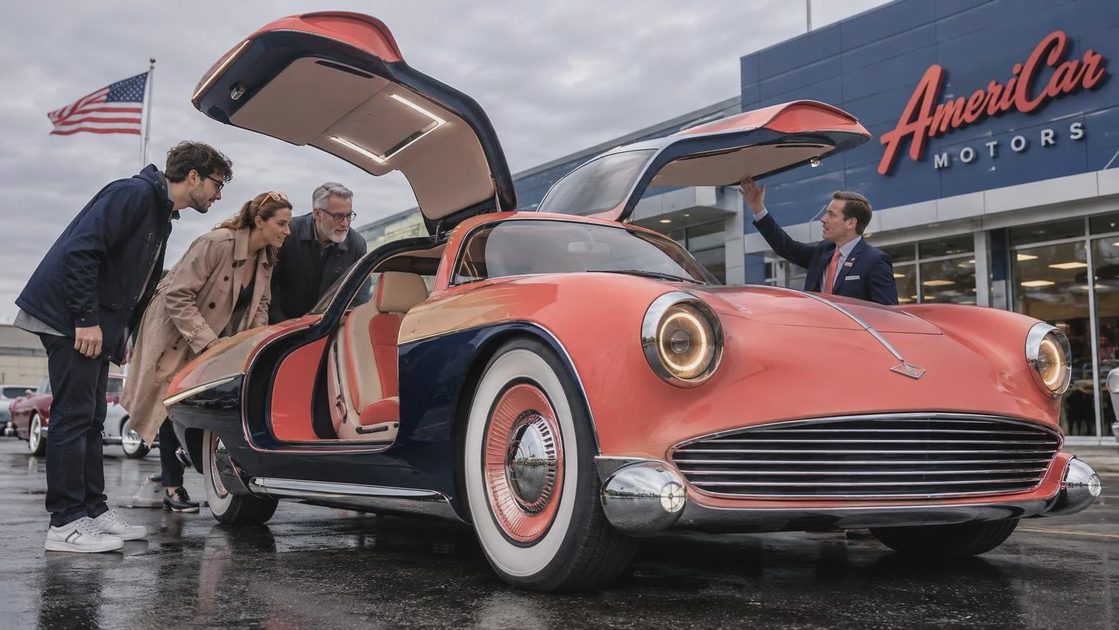
The car’s long, low silhouette promises more outright speed than its period performance delivers. That gap has followed the DeLorean for decades, but it misses some of the appeal. This is a car of atmosphere: a low seating position, a view over a sharply creased hood, and doors that turn an ordinary arrival into an occasion. Think grand touring curiosity rather than fire-breathing exotic.
The stainless panels have their own personality. They don’t hide dents the way a casual glance might suggest, and matching the direction and appearance of the brushed finish after a repair takes care. A beautifully presented example is more than a polished conversation piece; its fit, finish, and underlying condition tell you how thoughtfully it has been maintained.
Heritage Note: How the DeLorean became a star
John DeLorean set out to create a distinctive sports car under his own name after a prominent career in the American auto industry. The DMC-12 entered production in the early 1980s, but the company’s financial troubles brought that original production run to an end after a short life.
That history gives the car a poignancy the movie alone can’t supply. The DMC-12 was already an artifact of a bold, troubled automotive venture when Back to the Future arrived in 1985. The film didn’t rescue a thriving model line; it gave an unusual discontinued car a cultural afterlife.
For collectors, the tension is part of the draw. One person sees the movie first. Another sees Giugiaro’s design and an ambitious independent manufacturer. Neither is wrong. The most interesting cars often carry several stories at once.
How the movie time machine changed
The time machine’s appearance evolves across the trilogy, so a faithful replica depends on which version the builder has in mind. In the first film, the car wears exposed external hardware and machinery around its stainless body. The cabin houses the memorable time-circuit controls and, behind the seats, the glowing flux capacitor.
At the end of the first film, Doc returns with a modified car that can fly and has a Mr. Fusion unit for generating the time machine’s power from household waste. The second film builds on that futuristic configuration. The third takes the DeLorean into the Old West, where its appearance and the means of getting it up to speed change again.
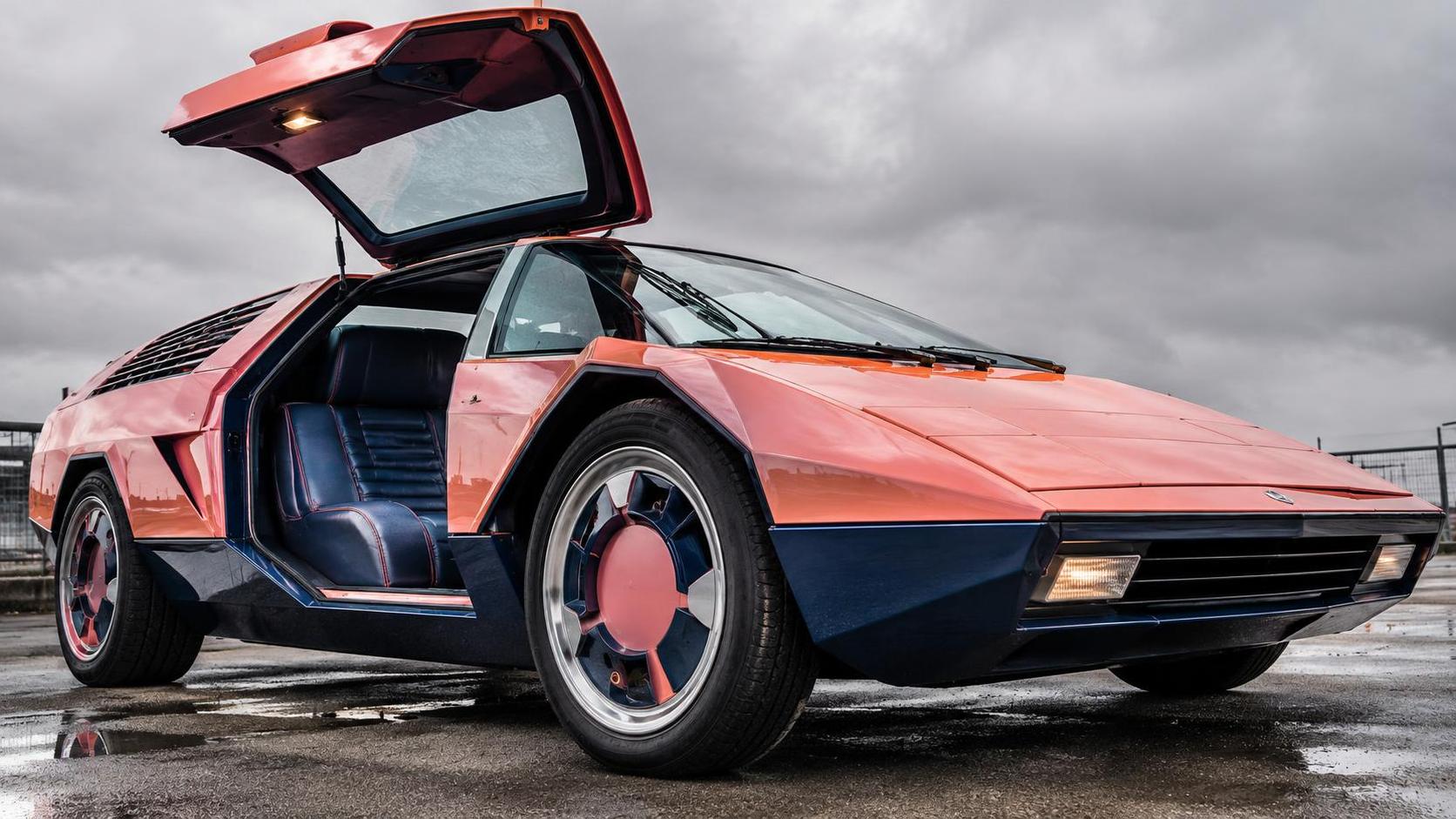
Those distinctions are worth noticing at a show. A replica might deliberately combine details from different scenes, or it might aim for a particular moment in a particular film. Neither approach is inherently wrong, but they are different kinds of tribute. Ask the owner which version inspired the build, and the conversation quickly becomes more interesting than a simple inventory of gadgets.
What to know before buying a DeLorean
A standard DMC-12 and a time-machine replica serve different ambitions. An unmodified car lets you appreciate the original design and may appeal to buyers who value period presentation. A conversion offers theater, but the quality of its fabrication, electrical work, and attachment points matters enormously. Examine whether modifications can be removed without damaging original panels or trim.
For either kind, start with documentation and an inspection by someone familiar with the model. Look carefully at the chassis for corrosion or previous repairs, and check the condition of cooling, fuel, braking, and electrical systems. Age and storage history matter as much as the number on the odometer. Door operation and the condition of seals are worth checking too; dramatic doors are wonderful, but they still need to work properly.
Specialist parts and support exist, though availability and cost vary by component. Before committing, identify the work the car needs and get realistic estimates from a qualified shop. A cheap example requiring extensive structural or mechanical work can become the more expensive car.
If you simply want the experience of seeing one, a local car show or owner gathering can be a rewarding place to start. Look past the flux capacitor for a moment and take in the shape of the original machine. Hollywood made the DeLorean immortal, but its stranger, more human story began on the road.