The Hellcat Charger announces itself before you see it: a supercharger whine over a deep V8 rumble, wrapped in a four-door body with room for actual passengers. Dodge took the familiar American muscle-car recipe and gave it a back seat worth using. For an enthusiast, that contradiction is the appeal. This is a full-size sedan that can turn an ordinary errand into an event, yet its considerable power asks for care and respect.
Every car has a story. Here's this one.
What makes the Hellcat Charger special?
The Dodge Charger SRT Hellcat combines a supercharged 6.2-liter V8, rear-wheel drive, and an eight-speed automatic transmission. The original version arrived for the 2015 model year with a factory rating of 707 horsepower. Later variants raised the output; the Redeye, for example, was rated at 797 horsepower. Those numbers explain the headlines, but they don't quite explain the car's personality.
A powerful engine in a big sedan is hardly a new idea. What distinguishes this one is its theatricality: the blower's mechanical voice, the broad stance, and the knowledge that all that performance lives in a car with four doors and a usable trunk. It isn't a delicate sports car, and it doesn't pretend to be one. Think of it as a muscle car dressed for a family outing, with an appetite to match.
That appetite is part of ownership. Fuel, tires, brakes, and insurance can all cost substantially more than they would on an ordinary sedan. Rear-wheel drive and generous torque also demand restraint on cold, wet, or unfamiliar pavement. The right foot is an important piece of safety equipment here.
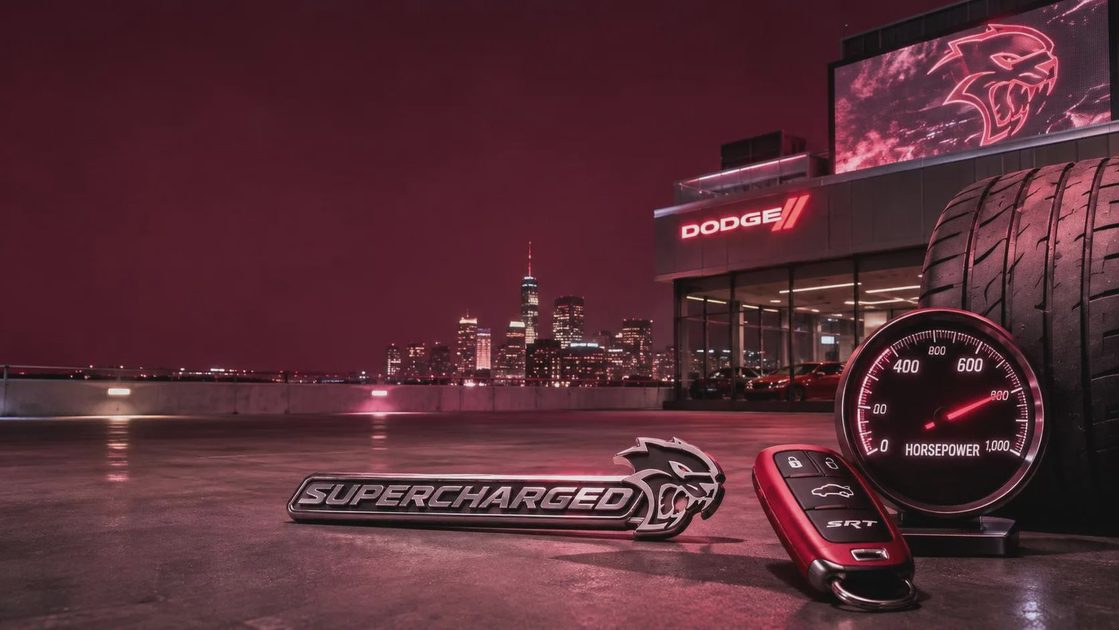
Heritage Note: Four doors, old-school attitude
The original Dodge Charger emerged in the 1960s as a two-door muscle-era machine. The later four-door Charger revived the name in a very different form: a large sedan that brought rear-wheel-drive American performance to a new generation. Purists can debate the extra doors, but the underlying idea remained recognizable: a big engine, a bold silhouette, and an unmistakable presence.
The Hellcat Charger took that idea to an extreme. It arrived in an era when turbocharging, efficiency, and increasingly sophisticated electronics were reshaping performance cars. Dodge answered with a conspicuous supercharger and a name that sounded as unruly as the car looked. It was a modern machine, but its sense of occasion was deliberately old-fashioned.
The V8-powered Charger era ended with the 2023 model year. That makes these cars a distinct chapter in the nameplate's history, not simply another trim level to be understood by its horsepower. Later Chargers represent a different direction; don't assume a newer car carrying the name has the same engine or character.
Which Hellcat Charger should you look for?
Start with how you intend to use it, not the highest output figure in a listing. An earlier standard Hellcat offers the essential experience: the supercharged V8, a roomy cabin, and dramatic straight-line performance. A well-documented example with sensible maintenance may be more satisfying to own than a more powerful car with an uncertain past.
Later Widebody versions add a more assertive stance and wider tires. That visual distinction matters to many buyers, but inspect the wheels, tires, and bodywork carefully; wider fenders and expensive rubber make curb damage and mismatched replacements worth noticing. The Redeye adds another level of output and collector appeal, though its extra performance is not a substitute for condition.
Special editions can be interesting, too. Verify the exact package and factory equipment rather than relying on stripes, badges, or a seller's description. A window sticker, build documentation, and vehicle identification number can help establish what a car was when it left the factory. A modified example may be enjoyable, but modifications should be understood and valued on their own merits, not mistaken for rare factory equipment.

What to inspect before buying
A used Hellcat Charger deserves a thorough pre-purchase inspection by a qualified technician familiar with high-performance Mopars. Ask for service records and look for evidence of regular maintenance, not just a clean engine bay. A low odometer reading is appealing, but it doesn't reveal how the car was driven, stored, repaired, or modified.
Look closely at tire condition and matching specifications across each axle. Uneven wear can point to alignment issues or hard use, though it isn't a diagnosis by itself. Inspect the brakes, wheels, and underside for damage, and ask the technician to check for fluid leaks and signs of poor repairs. A vehicle-history report is useful, but it is not a replacement for putting the car on a lift.
Engine tunes, altered pulleys, exhaust changes, and other modifications deserve particular attention. Ask who performed the work, whether original parts are included, and whether the calibration and supporting hardware are documented. Modifications may affect reliability, emissions compliance, insurance, and any remaining warranty coverage. If answers are vague, budget for further investigation or move on.
Theft history matters, too. Check the title and identification numbers, review the history report for inconsistencies, and confirm insurance availability before committing. These are desirable cars, and a bargain is less attractive if its paperwork or security situation leaves questions unanswered.
Living with the performance
For all its swagger, a Hellcat Charger is still a large sedan. That means it can carry passengers and luggage more comfortably than many dedicated sports cars. It also means tight parking spaces, heavy traffic, and frequent fuel stops are part of the bargain. Check that the seating position, visibility, and trunk access suit your actual routine before getting swept up in the exhaust note.
On a closed course, professional instruction is a better first investment than chasing more power. On public roads, smooth inputs and suitable tires matter far more than exploring the engine's limits. This car rewards a driver who understands its size and reserves some patience for its rear tires.
I would choose the cleanest, best-documented example that fits the budget, even if that means passing on a rarer badge. The Hellcat's story is loud enough without an ownership history full of unanswered questions.