FIA Tweaks F1 Powertrain Rules After Three Races of 2026 Season
There's a specific smell to a mid-season regulation change. It isn't just burnt rubber and high-octane fuel; it smells like hurried coffee in the paddock and the quiet panic of engineers recalculating maps late into the night. I've spent enough time around concours judges and pit crews to know that when the rulebook shifts, the real story isn't in the press release—it's in the hardware.
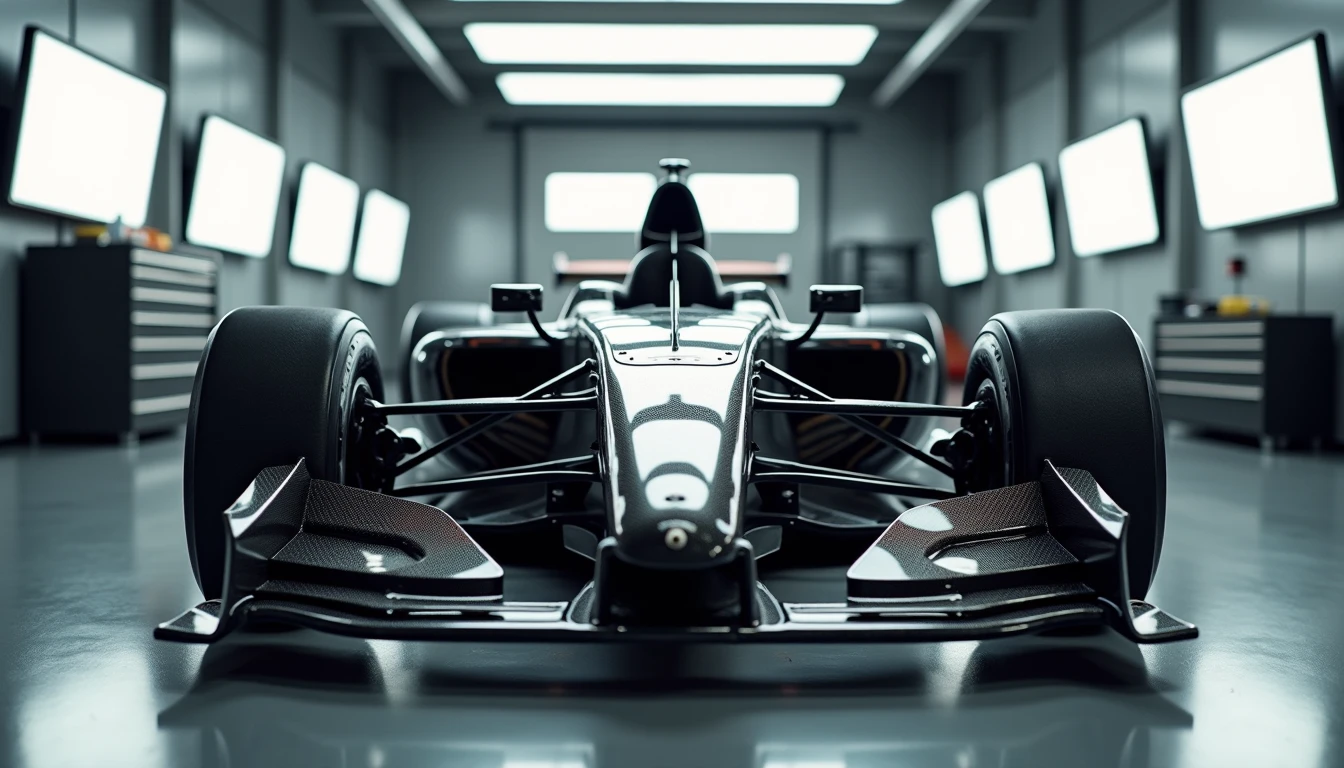
The FIA has announced tweaks to F1 powertrains after the opening three races of the 2026 season. For those of us who grew up watching mechanics wrench on Alfa Romeos in family garages, this isn't surprising. No machine is perfect out of the box, especially when the regulations rewrite the physics of the sport. The 2026 cars are new entities, living breathing complexities of carbon and combustion. To see adjustments this early tells me the gap between simulation and reality was wider than anyone admitted pre-season.
It reminds me of the debates we have back in Monterey during Car Week. You can design a suspension geometry on CAD that looks perfect, but until the tires hit the asphalt at turn one, you're just guessing. The headline regarding "Why lubricants matter in F1 and what has changed for 2026" underscores this. Fluids aren't just consumables; they are active components of the engine's architecture. When you tweak the powertrain rules, you inevitably shift the chemical requirements of the blood pumping through the engine.
When the Rulebook Meets the Track
The announcement highlights a critical theme in modern motorsport: closing the gap between engineering study and race operation. By April, most teams are deep into preparations, but regulations evolve and testing windows tighten. Performance margins shrink to decimals. When the FIA steps in after three races, it's an admission that the performance balance wasn't quite where the theory said it would be.
I've judged cars at Pebble Beach where the restoration was so perfect it looked factory fresh, yet the owner knew every imperfection in the paint. That level of scrutiny is now applied to F1 in real-time. The technical galleries from the Australian GP are being dissected not just for performance, but for compliance. Teams like Red Bull, Mercedes, and Ferrari are operating on razor edges. The "F1 regulations tweaked after three races with new cars" headline isn't just news; it's a signal that the learning curve is steep.
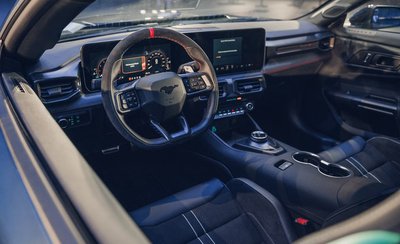
This isn't unique to the pinnacle of open-wheel racing. Look at GT competition. Inside Ford's Mustang GT3 update programme, we see a different approach to evolution. The article notes Ford went about updating its Mustang GT3 challenger for its third season of competition. There's a honesty in that. GT3 cars are customer racers; they need durability alongside speed. While F1 tweaks powertrains after three races, Ford is refining a platform over years. Both approaches seek the same goal: reliability under stress.
Beyond the Crown Jewel
While the world watches the F1 circus, touring car racing remains the heartbeat of accessible motorsport. The reveal of a new saloon-style Ford Focus for BTCC is a reminder that engineering trickles down. The British Touring Car Championship has always been about door-handle-to-door-handle racing where the cars look like something you could theoretically drive home.
The contrast is striking. In F1, we are debating lubricant viscosity and powertrain mappings after three races. In BTCC, we are celebrating the reveal of a new body style for a household name. Both require immense technical expertise. The "Racecar Engineering May 2026 issue" promises to cover all of this, from active aero designs to the Honda Prelude GT500. It's a reminder that motorsport is an ecosystem. You cannot have the F1 powertrain developments without the grassroots engineering that validates the materials and methods.
There is a sentiment in the industry that you need an apprenticeship to be a motorsport engineer. I disagree. Passion counts. I've seen kids with grease under their nails understand torque curves better than graduates with pristine resumes. The precision, performance, and reliability required to win aren't taught solely in classrooms. They are learned when a calibration fails at 200 mph.
As we move through the 2026 season, keep an eye on how these regulation tweaks play out. Will they close the field? Will they favor certain engineering philosophies? The May 2026 issue of Racecar Engineering will undoubtedly dive deeper into the F1 active aero designs and the new grand prix fuel. But for now, the takeaway is simple: the cars are fast, the engineers are smart, and the rulebook is still wet ink.
In this sport, perfection is a direction, not a destination. Whether it's a Formula 1 powertrain or a BTCC saloon, the machine only tells the truth when the lights go out.