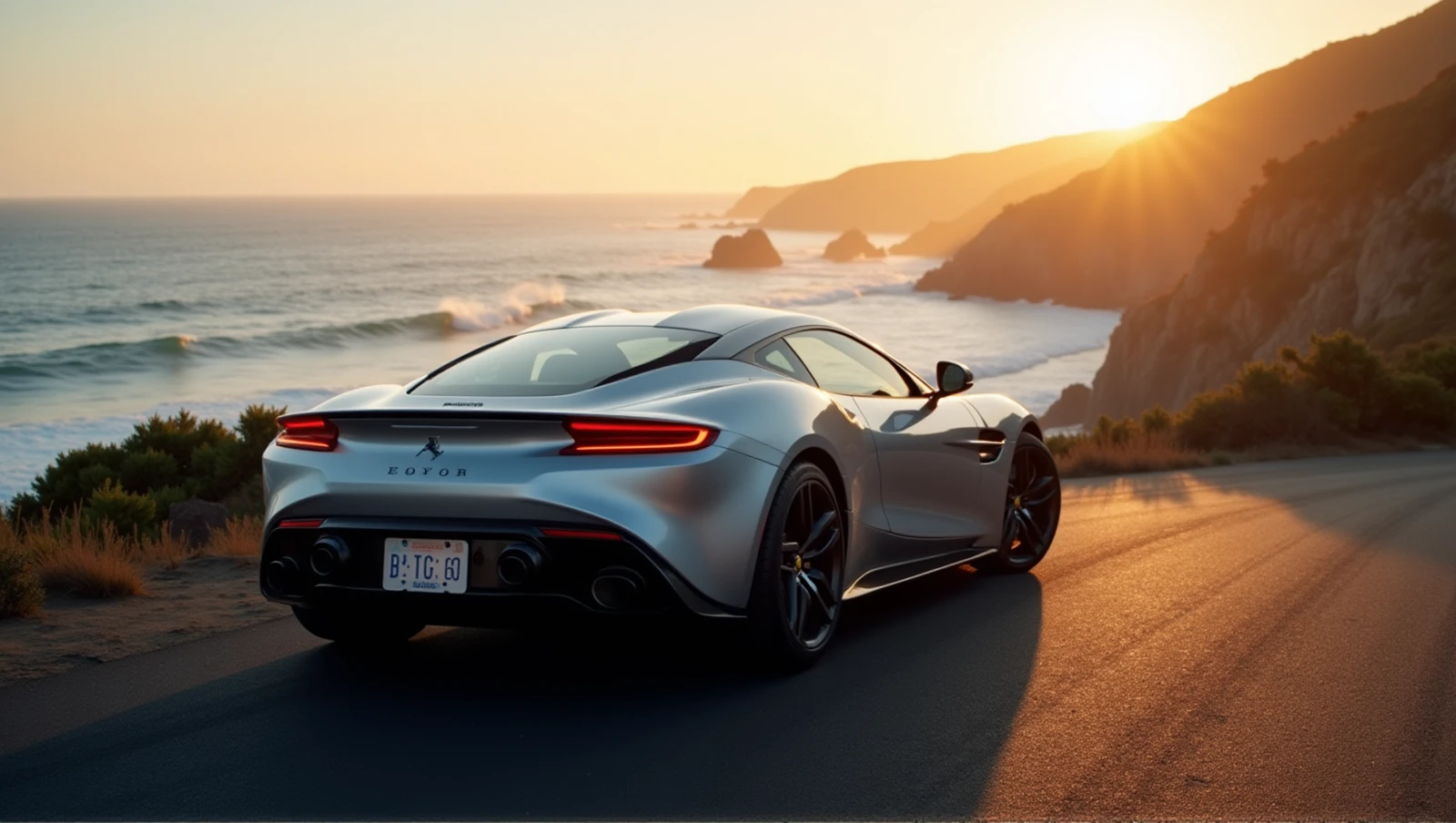
2026 Supercar Showdown: 701 HP Hybrids Meet the Last V8s
The 2026 model year isn't just another refresh cycle; it is a fault line running straight through the heart of the luxury sportscar segment. For decades, the hierarchy was defined by cylinder count and decibel levels. Today, it is defined by voltage and torque vectoring. We are witnessing a historic turning point where traditional high-power engines collide with a new era of electric performance, creating a market duality that buyers must navigate carefully.
Manufacturers are no longer treating hybridization as a compliance checkbox. It has become a performance enhancer. Meanwhile, the remaining combustion icons are being positioned as the final chapters of an internal combustion golden age. Among the machinery defining this shift, two vehicles stand out as polar opposites representing the industry's divergent paths.
The Electrified Benchmark
Porsche has long treated the 911 as the North Star of the sports car world, but the 2026 Turbo S marks a historic pivot for the lineage. For the first time, the pinnacle of the 911 range embraces electrification through the innovative T-Hybrid drivetrain. This isn't a mild hybrid system designed to smooth out stop-start traffic; it is built for violence.
By pairing a 3.6-litre twin-turbo flat-six with electric assistance, Porsche has birthed its most powerful production 911 yet. The output numbers are staggering: 701 horsepower and up to 590 pound-feet of torque. In practical terms, this translates to a 0 to 60 miles per hour sprint achieved in just 2.4 seconds. The top speed nearing 200 miles per hour suggests that aerodynamics and powertrain management have reached a new equilibrium.
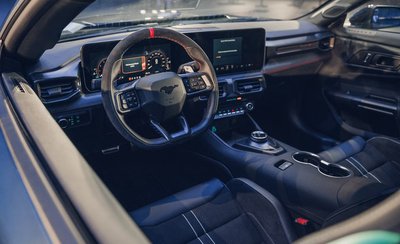
Expected to arrive at U.S. Porsche Centers in Spring 2026, this model offers a more agile, aerodynamically refined experience. Wider rear tyres and advanced chassis technology cater to the driver who demands peak performance without losing the marque's driver-focused DNA. However, purists may note a significant change inside the cockpit. The Turbo S evolves with a fully digital instrument cluster—a first for this specific variant. This allows for deeper integration of hybrid telemetry, though it signals the end of analogue gauges in the flagship 911.
A V8 Swansong
While Stuttgart looks to the electric future, Lexus is preserving the operatic drama of the past. As the automotive industry is increasingly dominated by the hushed efficiency of turbochargers and electric batteries, the Lexus LC 500 persists as a glorious, high-revving outlier. Its heart is a naturally aspirated 5.0-litre V8 engine, an engineering marvel that produces a formidable 471 horsepower.
On paper, the Lexus trails the Porsche significantly in power. Yet, the LC 500 offers a tangible final chapter of a specific automotive era. With 2026 widely expected to be its final year of production before Lexus pivots entirely from its large V8 architecture, this car is becoming a collector's item by default. The engine is combined with an increasingly rare, rich emotive soundtrack—a symphony of internal combustion that is a luxury in itself.
Celebrated less for blistering lap times and more for its exceptional touring grace and arresting, dynamic styling, the LC 500 provides a lavish sanctuary. It targets the connoisseur who prioritises undeniable character and a true "grand touring" soul above all else. In a digitised era, desirability hinges on character as much as capability, and the Lexus leans heavily into the tactile experience of driving a naturally aspirated grand tourer.
The Bigger Picture
The result of this transition is an arms race of innovation. Fully electric architectures are pushing horsepower figures into four-digit territory once reserved for hypercars, while lightweight materials and 800-volt electrical systems are redefining what agility means at speed. Yet, manufacturers are doubling down on craftsmanship and analogue tactility.
Some marques are preserving the V8s and V12s for as long as regulations allow. Others are embracing electrification with unapologetic ambition, proving that silent propulsion can still be desirable. Across the board, the modern luxury sportscar must achieve three things simultaneously: extreme performance, technological intelligence and a clear sense of brand DNA. From hybridised icons to all-electric flagships and the last of the naturally aspirated grand tourers, these machines are defining the next era of high-performance luxury. Whether you choose the 701 horsepower future or the 471 horsepower past, 2026 demands you choose a side.