Imagine starting a home renovation project, buying every tool and piece of material needed to see it through, getting 90 percent of the way there—and then deciding to tear it all down and start over. A one-week, $200 job suddenly becomes a three-week, $400 ordeal.
Porsche recently went through something analogous, but instead of losing a few hundred dollars, the automaker posted 5 billion euros (roughly $5.8 billion U.S.) less profit in 2025 than it had the year before. New CEO Michael Leiters is now looking to higher-margin vehicles to restore the company's earnings.
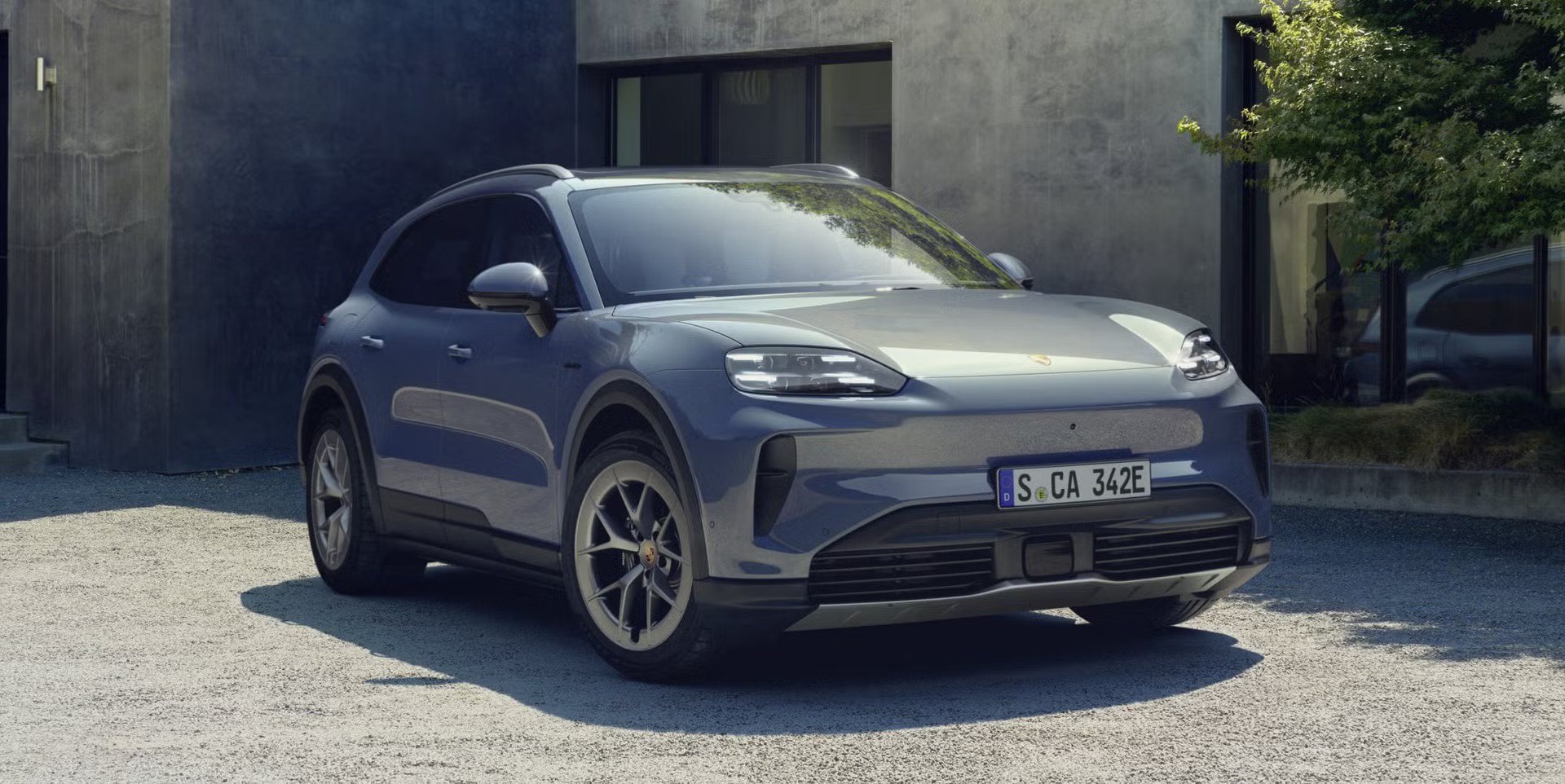
"We are looking at models and derivatives both above our current two-door sports cars and above the Cayenne," Leiters said at Porsche's annual conference. He offered little additional specificity, and a Porsche spokesperson declined to elaborate further when contacted by Car and Driver. The prospective model above the Cayenne is almost certainly the three-row K1 SUV that Porsche has discussed for years, but what might sit above the two-door sports car lineup is considerably less defined.
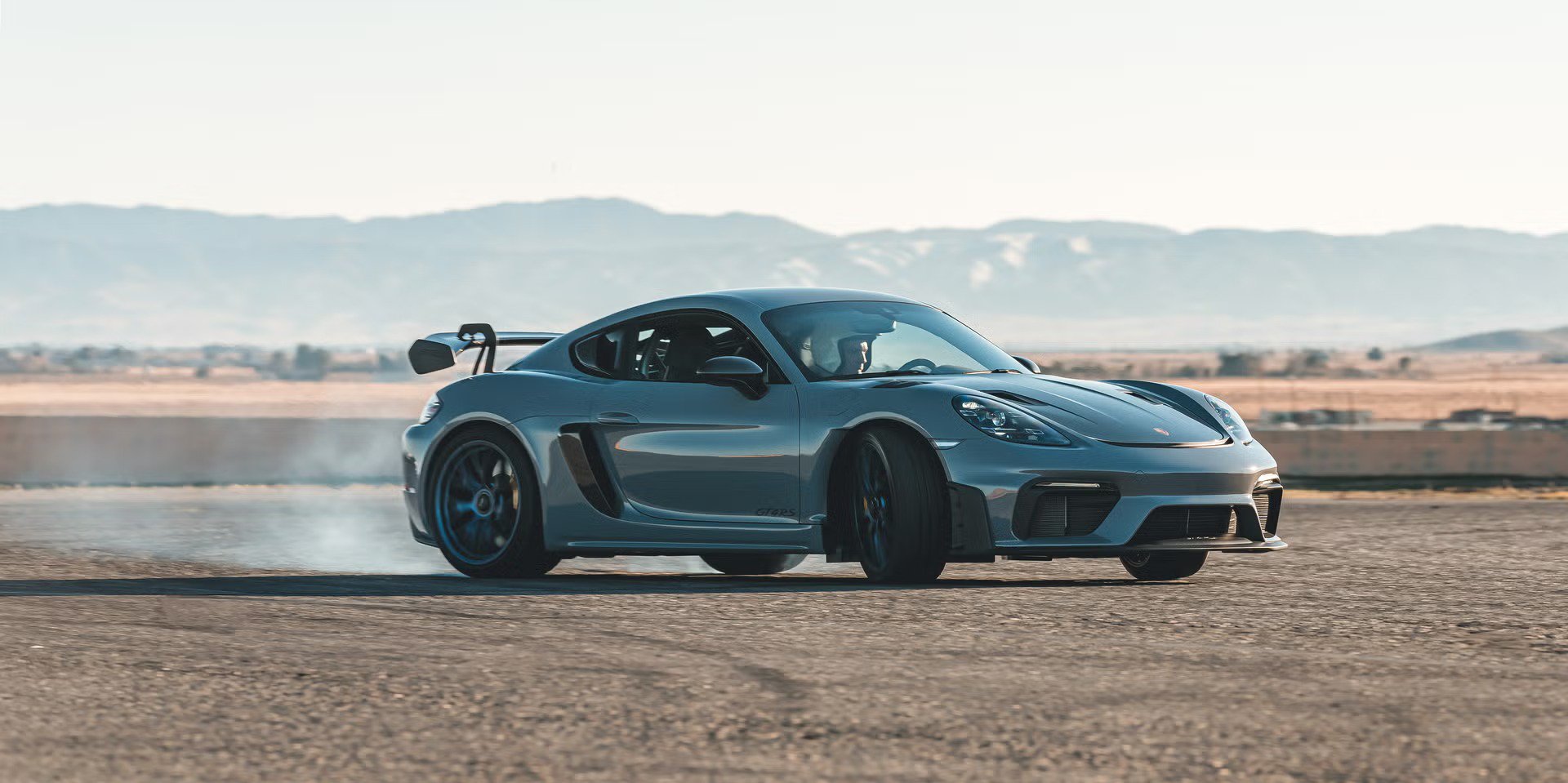
One possibility is a more exclusive and expensive 911 variant—a GT2 RS is overdue, after all. But Leiters's phrasing could also hint at something closer to a 918 Spyder successor. With Ferrari having launched the F80 and McLaren producing the W1, Porsche now faces mounting pressure to field a jaw-dropping halo car of its own.
The automaker hasn't offered many hints about what such a flagship model might look like. In the past two years, Porsche has filed patents on several novel engine concepts—a six-stroke design in 2024, followed by a tri-turbo W-18 layout with three cylinder banks. Neither appears destined for production, but Porsche has surprised us before.
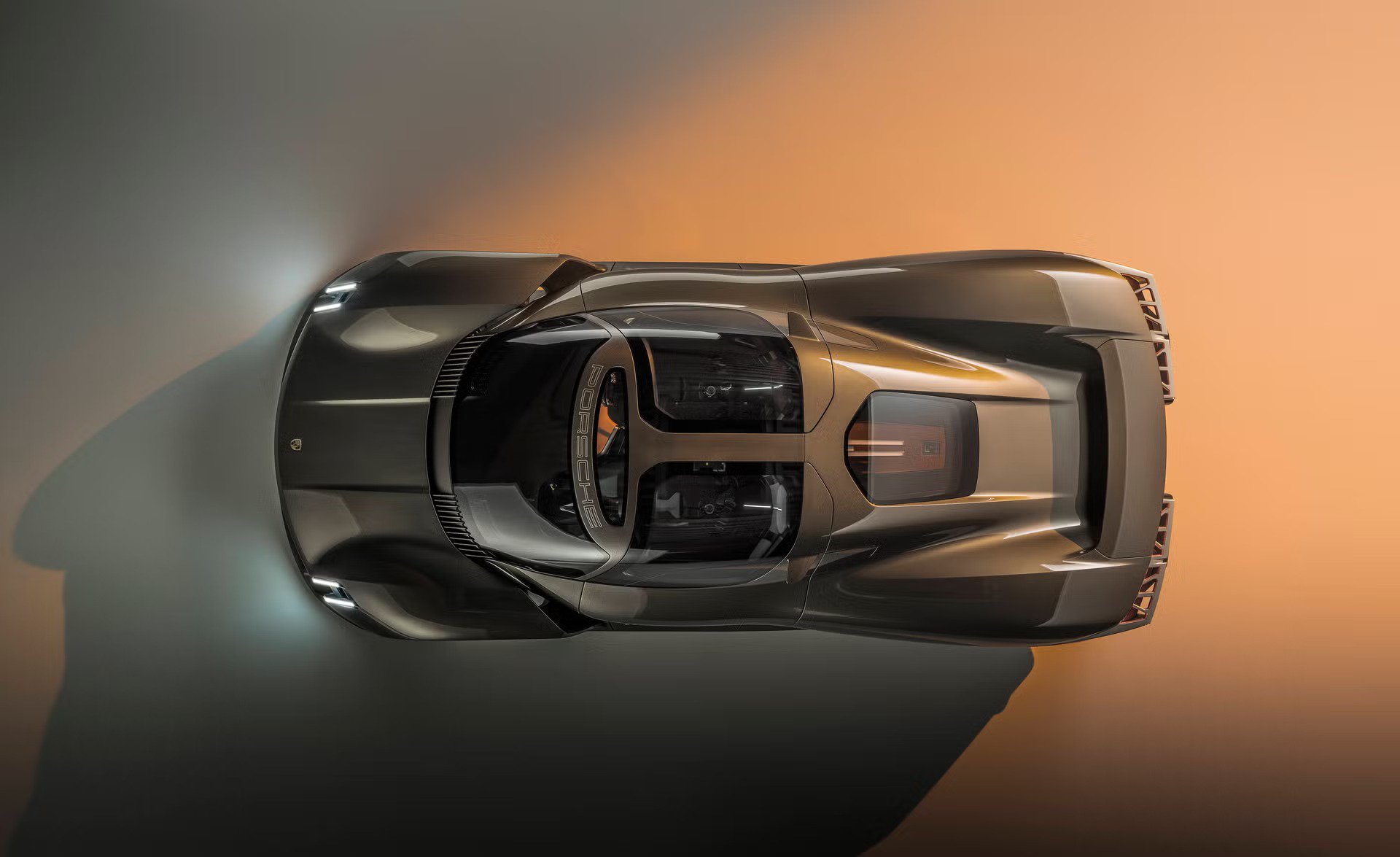
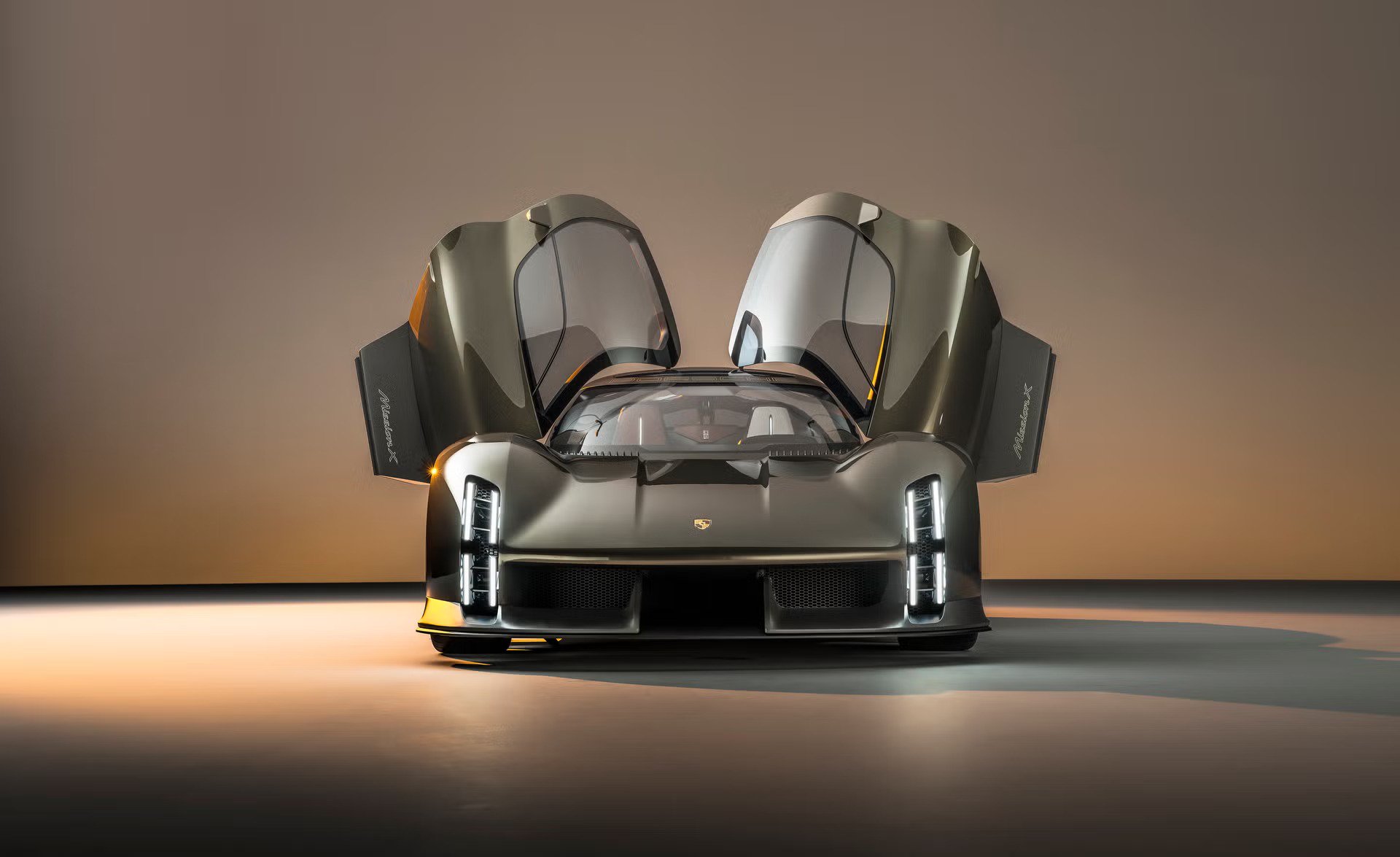
The 2023 electric Mission X concept could represent one direction, though appetite for ultra-premium electric vehicles has been limited, making it a questionable candidate for production. Porsche could also revisit the twin-turbo 5.0-liter flat-eight engine it was developing for a 918 successor before abruptly ending that program. Given the financial reality the company faces today, dusting off a half-completed engine may make more economic sense than engineering an entirely new one.
Details around the K1 are thin but comparatively clearer than those surrounding any new supercar. The K1 has pivoted away from its originally planned all-electric powertrain; it will now arrive with both gasoline and plug-in hybrid options. Three rows of seating are confirmed, and while an initial 2027 launch was planned, the additional engineering work required to convert from an EV platform may have pushed that date back.