At dawn on the Monterey coast, a compact pickup should not feel like a compromise. The Ford Maverick rolls beneath you with an easy, upright view, a useful bed, and the quiet confidence of a machine designed for ordinary life. The ford maverick hybrid towing capacity is 2,000 pounds, a figure that makes this little truck remarkably useful for a small boat, utility trailer, or pair of motorcycles. It is not a half-ton substitute, but that is not the point. Every car has a story. Here's this one.
Understanding the Ford Maverick hybrid towing capacity
The standard Maverick hybrid pairs a 2.5-liter four-cylinder engine with an electric motor and continuously variable transmission. Front-wheel drive is standard, and the system favors smooth commuting, low running costs, and light-duty usefulness rather than dramatic acceleration or heavy hauling. Properly equipped, the hybrid can tow up to 2,000 pounds with a braked trailer.
That number includes the trailer and everything loaded into it. A 1,400-pound aluminum utility trailer leaves roughly 600 pounds for a lawn mower, tools, fuel, and other cargo before reaching the limit. A small fiberglass fishing boat can fit comfortably, but the boat's trailer, battery, cooler, and gear all count. The ford maverick hybrid towing capacity is a maximum, not a suggested target for every trip.
A trailer's brakes matter as weight rises. Federal requirements and state rules differ, but a trailer with its own properly adjusted brakes gives the driver more control during downhill stops and emergency maneuvers. The Maverick's factory receiver, wiring, and trailer connection should be installed or verified before you tow. A loose connector or poorly supported hitch is a small detail with expensive consequences.

What the hybrid can tow in the real world
Think in objects, not abstract pounds. A lightweight 4-by-8 utility trailer often weighs several hundred pounds empty, leaving room for a riding mower or a modest load of building supplies. A pair of personal watercraft can also be a sensible match if the combined trailer weight stays below the limit. A teardrop camper is possible only after checking its loaded weight, tongue weight, passengers, luggage, and accessories.
The most common mistake is using the advertised dry weight of a trailer. Manufacturers often list a trailer before propane, water, batteries, cookware, bedding, and optional equipment are added. Weigh the complete combination at a certified scale when the load is important. The ford maverick hybrid towing capacity should be compared with the trailer's actual ready-to-travel weight, not the optimistic number in a glossy brochure.
Payload is the other half of the equation. Passengers, cargo in the cabin, cargo in the FlexBed, and trailer tongue weight all draw from the truck's payload rating. For example, four adults, camping equipment, and a 200-pound tongue load can use much of the available capacity before anything is placed in the bed. Read the door-jamb label for the exact truck rather than relying on a generic online estimate.
Hybrid versus EcoBoost: choosing the right character
The Maverick's available 2.0-liter EcoBoost engine and all-wheel drive can tow up to 4,000 pounds when ordered with the 4K Tow Package. That is a substantial increase, but it is a different truck with different priorities. The hybrid is the graceful city companion; the EcoBoost is the more convincing choice for a frequent trailer owner, steep grades, or a heavier enclosed trailer.
The 4K package is not simply a stronger hitch. It includes equipment intended for increased towing duty, and buyers should confirm the configuration on the window sticker. The hybrid does not become a 4,000-pound tow vehicle through an aftermarket receiver, a stronger ball mount, or optimistic sales language. If the ford maverick hybrid towing capacity meets your needs, the hybrid's efficiency and lower entry price can be compelling. If it does not, choose the powertrain before you buy accessories.
Heritage Note: Ford has a long history of making practical vehicles feel approachable, from compact pickups of the past to the original Mustang's everyday usability. The Maverick follows that tradition. Its charm comes from fitting useful capability into a footprint that does not dominate a city street or a narrow garage.
Towing setup details that make a difference
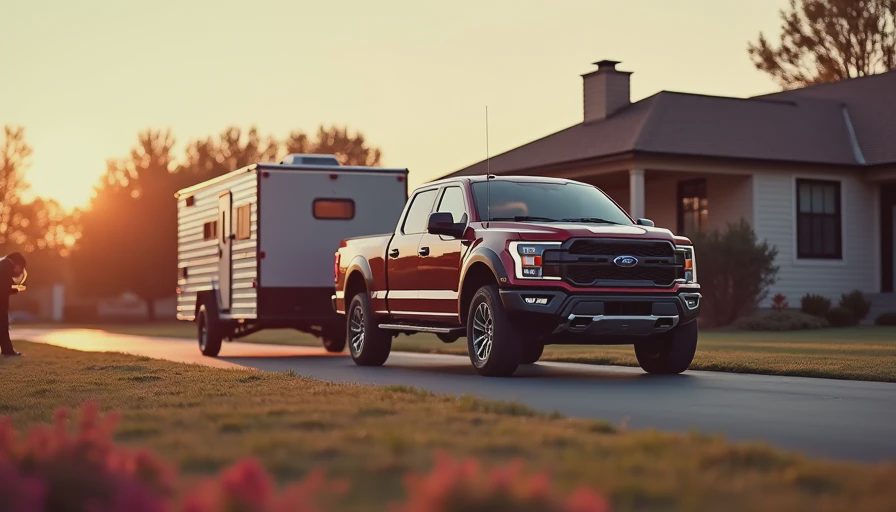
Start with the correct ball size and a hitch ball rated above the trailer's loaded weight. Use safety chains crossed beneath the coupler, attach the trailer wiring securely, and check that all running lights, brake lights, and turn signals work. Set tire pressures according to the truck and trailer manufacturers' instructions, then inspect the tires for age, cracks, and uneven wear.
Distribute cargo so the trailer has stable tongue weight without pushing the rear of the Maverick down excessively. Heavy items should sit low and close to the axle, while loose equipment needs proper tie-downs. Before entering traffic, drive slowly in an empty lot to practice braking, turning, and backing. Small trailers can react quickly to steering inputs, and a calm correction is safer than a sudden one.
On the road, leave extra following distance and reduce speed before curves or descents. Hybrid regenerative braking helps slow the truck, but it does not replace trailer brakes or sound judgment. Watch for sway caused by crosswinds, passing trucks, uneven loading, or excessive speed. If sway begins, hold the wheel steady, ease off the accelerator, and avoid sharp steering. The ford maverick hybrid towing capacity is useful precisely when the driver respects its boundaries.
Buying, insurance, and ownership costs
Ask the dealer to provide the exact tow rating, payload label, hitch configuration, and factory equipment list for the vehicle you are considering. A used Maverick may have an aftermarket receiver, but that does not automatically change its certified tow rating. Inspect the hitch for rust, bent metal, poor welds, or wiring repairs before purchase.
Tell your auto insurer that the Maverick will be used for towing. Personal auto policies commonly cover the truck's liability while it is towing a trailer, but physical damage coverage for the trailer and its contents can be limited or excluded unless specifically added. A small travel trailer may require separate coverage. Compare deductibles and roadside assistance options, especially if the truck will tow boats, motorcycles, or expensive equipment.
Fuel economy also changes under load. A hybrid Maverick can be impressively efficient during normal commuting, yet aerodynamic drag from a tall trailer can reduce economy sharply. Budget for more frequent tire inspections, hitch maintenance, and occasional bearing or brake service on the trailer. Those costs are modest compared with replacing damaged cargo or dealing with an avoidable roadside breakdown.
Is the hybrid Maverick right for your trailer?
The ford maverick hybrid towing capacity suits owners who need occasional, sensible hauling rather than constant heavy work. It is a natural fit for a small utility trailer, lightweight watercraft, garden equipment, or a compact camper loaded carefully. Its low step-in height, manageable dimensions, and electric-assisted powertrain make routine errands less tiring than they are in a full-size pickup.
It is less suitable for a large enclosed trailer, a heavy boat, frequent mountain towing, or a business that keeps the hitch occupied every day. In those cases, the EcoBoost with the appropriate tow package, a Ranger, or a larger pickup gives more margin. Margin is valuable: it keeps the truck composed, the brakes cooler, and the driver less fatigued.
From behind the wheel, what stays with you is not the headline number. It is the sense that Ford built a genuinely useful small truck instead of shrinking a larger one and calling the job finished. Confirm the loaded weights, set up the trailer correctly, and the ford maverick hybrid towing capacity becomes more than a specification. It becomes a clear invitation to bring a little more life along for the ride.