
If you've been watching the headlines, you've seen the buzz: F1 2026 powertrain rule changes explained simply as a shift toward more electrical power, simpler internal combustion, and fully sustainable fuel. As a judge who’s spent decades under hoods and behind wheels, I’ll tell you—this is the most significant technical regulation shake-up since the hybrid era began in 2014. Every car has a story, and this one is about engineering courage.
What’s Changing Under the Hood in 2026
The most headline-grabbing change? The MGU-H is gone. That’s the motor-generator unit that harvests energy from the turbocharger's heat and pressure—a brilliant but fiendishly complex piece of kit. Without it, the internal combustion engine becomes simpler, lighter, and cheaper to develop. Instead, the MGU-K—the unit that recovers energy from braking—gets a massive power boost. In 2026, the electrical system will deliver 350 kW (about 470 hp), nearly five times the current 120 kW. Combined with a 400 kW (536 hp) V6 turbo, total output will hover around 1,000 hp, but with a much higher proportion of electric power.
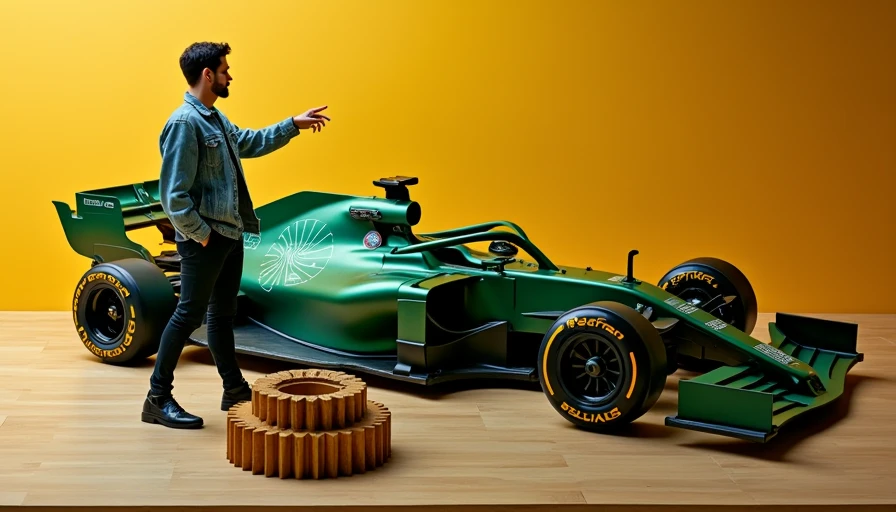
To keep the racing close, the rules also mandate that the electrical power output is more consistent at high speeds. At 290 km/h, the electric motor’s contribution is reduced to prevent an endless top-speed arms race. This means the chassis and aero—not just the engine—will again decide who wins. A key detail: the fuel will be 100% sustainable, dropping the sport's carbon footprint dramatically without sacrificing the visceral thrill of a combustion engine.
Why These Changes Matter for the Racing
From behind the wheel, what stays with you is the sound. Fewer revs (max drops from 15,000 to 12,000 rpm) and no MGU-H whine will shift the acoustic character. Critics worry it’ll be too quiet, but I’ve heard the prototypes—there’s still a growl, just more refined. More important is overtaking. The current cars need DRS to pass. In 2026, the electric motor’s variable output will create natural speed differences into corners. Drivers will be able to carry more corner speed by overspeeding the electric motor on entry, then recovering energy on exit. This is a genuine technical thrill—it rewards driver skill over engine programming.
Heritage Note: The Evolution of F1 Power Units
This isn’t the first time F1 has torn up the rulebook. In the late 1980s, turbocharged monsters pushed 1,500 hp in qualifying trim before being banned. Then came the glorious V10 era of the 1990s and 2000s—engines that screamed to 20,000 rpm and sounded like angels fighting. The 2014 hybrid V6s were met with skepticism, but they pioneered efficiency that trickled down to road cars. Now, the F1 2026 powertrain rule changes explained simply are a bet on electrification without abandoning the combustion engine. It’s a balancing act between tradition and progress—something every collector understands.
From Behind the Wheel: What Drivers Can Expect
Drivers will have to manage a more complex energy strategy. The battery—now four times more powerful than today’s—will be chargeable from the grid (called “plug-in hybrid” in road terms) and also via regenerative braking. But here’s the key: the electrical power deployment is governed by a standard ECU mapping to ensure fairness. That means the driver’s right foot matters more than a team’s software wizardry. I’ve talked to test drivers who say the early simulators show a car that is more point-and-shoot, less reliant on aero wake. It’s going to be a driver’s formula again.

The Cost and Sustainability Angle
A simpler engine means lower development costs. With the cost cap already in place, teams can redirect funds to chassis and strategy. The switch to 100% sustainable fuel—made from biofuels or e-fuels—is a massive step for decarbonization. Every automaker participating (Ferrari, Mercedes, Renault, Honda, Audi) has signed on. This isn’t greenwashing; it’s a real shift. For fans, it means F1 can continue roaring into the future without the guilt.
What This Means for Fans and the Business of F1
For fans, the F1 2026 powertrain rule changes explained simply translate into closer racing and more strategic depth. The removal of the MGU-H levels the playing field: smaller teams with less R&D budget can now compete on engine performance, as the power unit becomes more standardized. This could lead to a grid where midfield teams snatch podiums more often—something we haven’t seen consistently since the V8 era. Sponsors are watching too: the shift toward sustainability appeals to global brands that want to align with a greener image. Liberty Media expects the rule changes to attract new OEMs like Audi and potentially Ford, increasing the sport’s commercial appeal. The downside? The unique whine of the MGU-H will be missed, and some die-hards worry about the loss of engineering one-upmanship. But overall, these regulations aim to make F1 more accessible, both technically and financially, ensuring the sport thrives for another generation.
Final Thoughts
The F1 2026 powertrain rule changes explained simply show a sport that’s listening: to drivers who want more input, to manufacturers who need cost certainty, and to a world demanding cleaner tech. Is it perfect? No—the sound fans love will change, and the MGU-H’s complexity was part of F1’s mystique. But progress isn’t always comfortable. Three generations later, this is still the car that matters—because it’s the next chapter. Keep your ears open in 2026; the story is about to get even better.





No notes yet — write the first one.