The appeal of biggest tires is easy to understand. They fill the wheel arches, promise more traction, and give a truck or SUV the stance of something ready for a fire road or a long desert run. But the smartest setup is rarely the most aggressive one on the rack. The right choice protects steering feel, braking clearance, and gearing, and it keeps the car from turning into a headache every time you need a new alignment or a replacement wheel.
When biggest tires make sense, it is usually because the vehicle has a real job to do. A Jeep Wrangler that sees rutted trails, a Ford Bronco that spends weekends on sand, or a Toyota Tacoma that carries camping gear all benefit from more sidewall and a tougher carcass. On a road car, though, the story changes fast. A larger rolling diameter can soften the turn-in, alter the speedometer, and make the transmission work harder. Heritage Note: factory fitment has always been a clue about how engineers wanted the car to feel, from a slim-period Porsche tire to the more generous rubber on a modern performance SUV.
The first question is not how tall the tire looks in photos. It is what the wheel well, suspension, and brakes can actually accept without rubbing. Offset matters. Backspacing matters. So does whether the vehicle has stock control arms, a leveling kit, or a lift. A set of 35-inch all-terrains might clear at full lock on one truck and grind the liner on another. That is why two owners can buy the same tire size and have completely different results. On a daily driver, I would rather see the wheel tucked correctly and the tread fully supported than chase a showroom posture that lasts until the first parking curb.
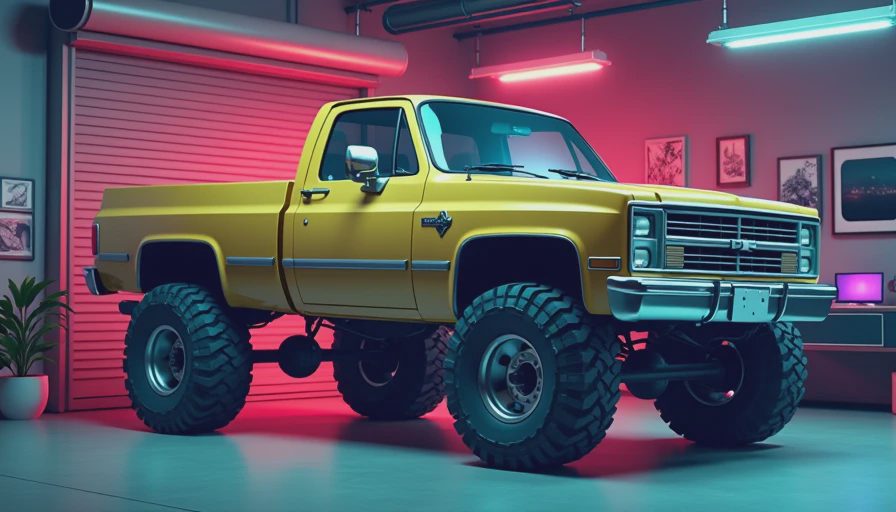
What actually decides fitment
The biggest tires do not work in a vacuum. The first measurement that matters is the overall diameter, followed by section width, wheel width, and the actual space between the tire and suspension hardware. A 295/70R18 and a 35x12.50R17 can sound close on paper, yet they may behave differently once mounted because the casing shape and approved rim range are not the same. That is where good fitment data saves money.
Start with the door-jamb placard, then check the owner’s manual, because the manufacturer already knows the tire and wheel package it tested for clearance and load. If you are moving to aftermarket wheels, ask for the wheel offset in millimeters and confirm the load rating. For trucks that tow or carry heavy cargo, load range matters as much as tread pattern. A lighter all-terrain like a Falken Wildpeak or BFGoodrich KO3 can be a better street choice than an oversized mud tire that looks dramatic but drones on the highway and wears fast.
There is also the practical matter of speedometer error. Even a small diameter increase can make the indicated speed read a few miles per hour low. That is not just trivia for an enthusiast with a stopwatch; it affects commuting, traffic tickets, and mileage logs. The biggest tires can be the right answer, but only after you know what the car gives up in exchange.
Ride quality, fuel economy, and cost
A taller sidewall can be a blessing on broken pavement because it adds compliance, but once the tread grows heavier, the steering often loses some delicacy. You feel it in the first turn of the wheel. The nose takes a beat longer to settle, and the car may follow ruts more aggressively. On an SUV or pickup, that trade can be acceptable. On a performance coupe, it usually is not.
Costs climb in layers. A quality set of all-terrains can run $250 to $450 per tire, while premium off-road sizes and forged wheels can push the bill much higher. Mounting and balancing on large assemblies often costs more than a normal passenger-car fitment, and an alignment after the install is not optional if you want even wear. Add a little more for TPMS service, valve stems, and the occasional trimming or liner work if the setup sits close to the body.
Fuel economy usually takes a hit too. A heavier wheel and tire package asks the engine to do more work at every start and stop. The penalty may be modest on paper, but over a year of commuting it becomes real money. If the build is for weekend use, that trade may be worth it. If the car is your 20,000-mile-a-year commuter, the math should be brutally honest.
Insurance and modification paperwork
Insurance gets involved sooner than many owners expect when biggest tires are part of a build. Standard personal auto policies often cover factory equipment, but custom wheels, upgraded tires, and other accessories may need separate accessory coverage or a stated amount on the policy. That matters after a theft claim, a pothole blowout, or a collision where the damaged parts are not stock anymore.
If you finance or lease the vehicle, the lender may also care about modifications that change safety or value. Keep the invoice for the tires, the wheels, the mounting work, and any suspension parts. Photos help too. A folder with receipts makes life easier if you need to prove what was installed and when. That is especially true on expensive builds with wheels from HRE, Method, or forged aftermarket brands where a single damaged corner can cost more than a full set of economy tires.
There is a simple way to think about it: if the parts are easy to document, they are easier to protect. And if the vehicle is stolen or damaged, documented ownership can make the claim process much smoother.
A practical way to choose the right setup
If biggest tires are on your wish list, start with the vehicle’s honest limits. Decide whether the car is a commuter, a tow rig, a trail truck, or a weekend statement piece. Then measure, do not guess. Check suspension travel, wheel offset, brake clearance, and the approved load range. If you need a lift to do the job correctly, factor in the cost of the lift, alignment, and any recalibration before you click buy.
From behind the wheel, what stays with you is not the spec sheet but the balance of the car. A well-chosen package feels deliberate, not forced. The steering stays clean, the ride keeps its composure, and the stance looks right because it was engineered to be there. That is the difference between a setup that photographs well and one that you enjoy every day.
For a truck, SUV, or sports car build, the smartest move is to get the insurance side lined up before the first tire order. If biggest tires are part of the plan, a quoted policy that reflects the actual hardware is cheaper than discovering a coverage gap after the fact. Every car has a story. Here’s this one: buy for the road you drive, not just the look in the driveway.