There is a particular silence to a mountain road before sunrise: frozen pavement, a little powder across the lane, and the steady hum of a well-chosen tire. Finding the best all terrain tires for snow and ice is not simply a matter of choosing the most aggressive tread. It is about matching rubber compound, siping, casing design, vehicle weight, and driving habits to the kind of winter your route actually delivers.
A tire that looks heroic on a lifted truck can be disappointing on polished ice. Conversely, a mild-looking all-terrain tire with the Three-Peak Mountain Snowflake symbol can provide reassuring control through packed snow. Every car has a story. Here's this one: the tire is the only part of your vehicle touching the road, and winter rewards careful choices.
What separates a capable winter all-terrain tire
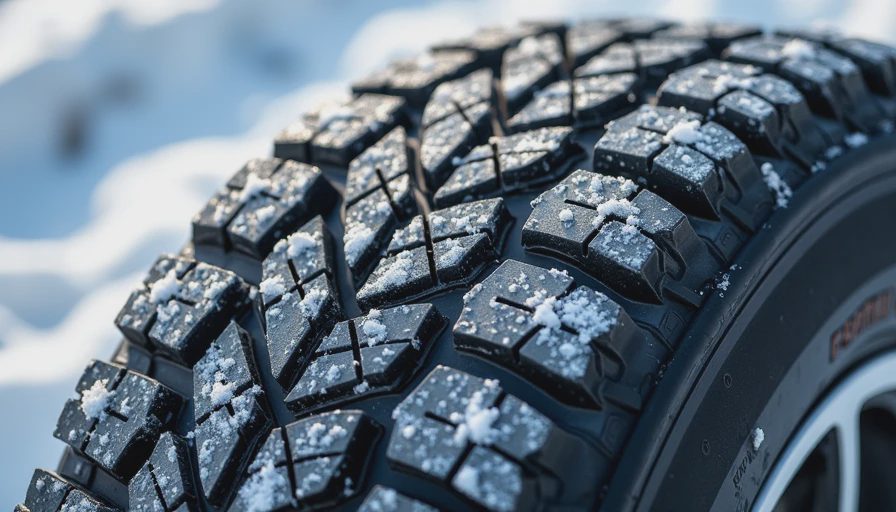
The best all terrain tires for snow and ice usually share three important features. First, they use a winter-capable rubber compound that stays more flexible in low temperatures. Ordinary all-terrain rubber can stiffen as the thermometer drops, reducing the tread's ability to conform to uneven pavement and frozen surfaces.
Second, look for dense siping. These narrow cuts create additional biting edges and help the tread channel slush. Large, widely spaced blocks are useful in mud and loose gravel, but they do not automatically translate into grip on ice. A balanced winter all-terrain pattern uses open grooves for snow evacuation while retaining enough connected tread to remain stable on pavement.
Third, seek the 3PMSF marking, represented by a mountain and snowflake symbol on the sidewall. This indicates that the tire has passed a standardized severe-snow performance test. It does not make the tire a dedicated ice tire, but it is a more meaningful winter credential than the marketing phrase “mud and snow,” or M+S, alone.
Strong choices for snow-country trucks and SUVs
The best all terrain tires for snow and ice depend on size and vehicle, but several respected lines deserve a close look. The BFGoodrich All-Terrain T/A KO2 is a familiar choice for pickups and SUVs, offering a tough carcass, substantial sidewall protection, and 3PMSF-rated sizes. It suits drivers who divide their time between pavement, forest roads, and moderate snow.
The Falken Wildpeak A/T3W has become popular because it combines a winter-oriented compound with a comparatively composed highway manner. Its sidewall design gives a truck useful support without making every commute feel like a construction site. The Toyo Open Country A/T III is another sensible candidate, especially for drivers who want durable construction and confident behavior on wet roads, gravel, and snow.
For a more road-focused crossover, the Continental TerrainContact A/T or General Grabber APT may make more sense than an especially heavy, aggressive tire. Their designs emphasize quiet pavement manners while retaining all-terrain versatility. Tire availability, load range, and exact winter rating vary by size, so confirm the specification printed for your vehicle rather than relying on a product name alone.
How to choose the right tire for your winter route
Before buying the best all terrain tires for snow and ice, describe your driving in practical terms. A driver in Buffalo or Salt Lake City who regularly leaves before plows arrive needs a different compromise from someone in Virginia who sees two snowstorms each year. Consider the surfaces you encounter most often: dry interstate, wet hills, packed snow, glare ice, gravel, or unplowed roads.
Dedicated winter tires remain the stronger choice for frequent ice, deep cold, and repeated snow coverage. A narrow winter tire with extensive siping and a specialized compound can outperform a 3PMSF all-terrain tire on a frozen intersection. All-terrain tires become attractive when you need one set for year-round use, occasional trail work, towing, and winter storms.
Wheel diameter also matters. If your vehicle allows it, a smaller winter wheel with a taller sidewall can improve ride comfort and protect against pothole damage. Do not change tire size casually, however. Diameter, load rating, speed rating, and clearance must remain compatible with the vehicle's specifications and electronic systems.
Ice traction is more than tread appearance
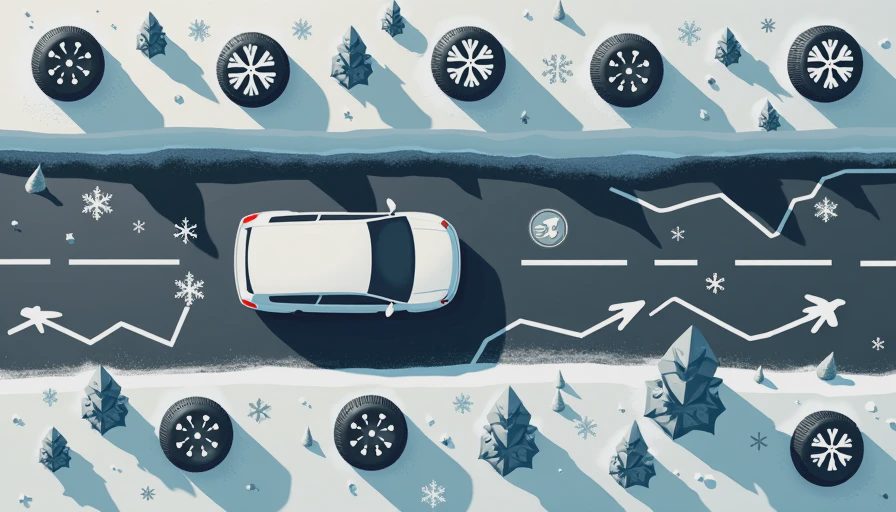
The best all terrain tires for snow and ice cannot defeat physics. Ice offers very little friction, even with excellent rubber. All-wheel drive helps a vehicle accelerate, but it does not shorten braking distances in the same way. Antilock brakes and stability control are valuable, yet they also depend on the tires developing usable grip.
That is why smooth inputs matter. Leave extra following distance, brake in a straight line before a corner, and avoid sudden throttle changes on a polished surface. If a vehicle begins to slide, look where you want to go and make measured steering corrections. A dramatic tread pattern may look reassuring in a catalog; from behind the wheel, what stays with you is predictable response.
Check inflation when the tires are cold, ideally before the vehicle has traveled several miles. Cold weather lowers pressure, and an underinflated tire can feel vague while wearing its shoulders faster. Use the pressure listed on the driver's doorjamb, not the maximum pressure molded into the sidewall.
Noise, fuel economy, and the collector's compromise
A rugged all-terrain tire changes a vehicle's character. More tread and heavier construction can increase road noise, steering effort, and rolling resistance. On a classic Land Cruiser, that hum may feel perfectly authentic. On a quiet luxury SUV, it can become tiring after an hour on the interstate.
The best all terrain tires for snow and ice should therefore fit the vehicle's personality. A Porsche Cayenne used for ski trips may be better served by a road-oriented, winter-rated all-season design than by a severe-duty truck tire. A Ford F-150 towing a utility trailer through mountain passes may justify a tougher casing and higher load capacity. Neither choice is universally superior; the right one supports the vehicle's work and temperament.
Heritage Note: The great utility vehicles of the past were not defined by exaggerated tread alone. Their confidence came from simple, honest engineering: appropriate gearing, compliant suspension, usable visibility, and tires suited to the road. Modern technology gives us better materials, but the principle remains.
A practical buying and installation checklist
Start by recording the tire size, load index, speed rating, and whether your vehicle uses staggered fitment. Then confirm that the candidate tire carries the 3PMSF mark in your size. Compare at least three categories: winter capability, highway comfort, and expected off-road use.
Ask the installer to inspect alignment, suspension wear, and wheel condition. A worn tie-rod end or bent wheel can undermine a new set immediately. Have the tires balanced, and return for a torque check if the shop recommends one after the first miles. Rotate according to the vehicle and tire manufacturer's guidance, especially on four-wheel-drive vehicles with strict circumference requirements.
Finally, budget realistically. Many mainstream all-terrain sets cost roughly $750 to $1,400 before installation, while large truck sizes, premium construction, and specialty fitments can exceed that range. Spending another $100 on a better winter-rated design is often more valuable than choosing an aggressive-looking tire that performs poorly on cold pavement.
The final word for winter drivers
The best all terrain tires for snow and ice are not necessarily the loudest, tallest, or most expensive. They are the ones with a genuine severe-snow rating, useful siping, a suitable compound, correct load capacity, and manners that fit your vehicle. Choose for the roads you actually drive, not the adventure pictured on the sidewall.
For frequent ice, consider dedicated winter tires. For mixed pavement, gravel, and seasonal storms, a strong 3PMSF all-terrain set can be an excellent year-round compromise. Install them before the first storm, maintain their pressure, and give the road the respect it deserves. A great tire does not make winter disappear; it gives you a calmer, more legible conversation with the surface beneath you.