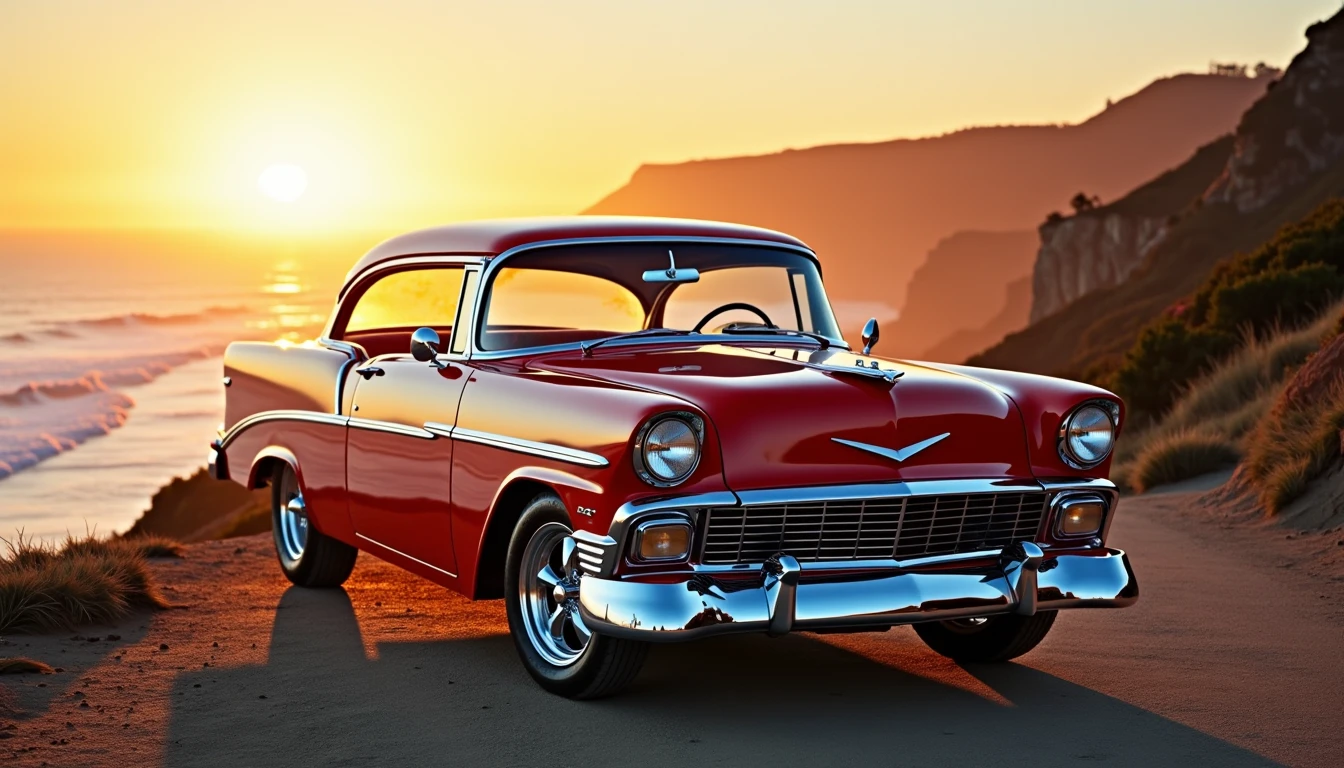
America’s Classic Car Movement Was Never About Metal—It Was About Memory on Four Wheels
You don’t fall in love with a classic car the way you buy an appliance. You fall for it the way you fall for a song you haven’t heard in 20 years—one note in, and you’re right back there. That’s the heartbeat of the classic car movement in America: not just restored sheetmetal and glossy paint, but freedom, identity, and the particular kind of nostalgia only a steering wheel can trigger.
From the roaring 1920s through the transformative 1960s, classic cars have served as rolling time capsules—each era leaving fingerprints in design, engineering, and the way people talked about what the future was supposed to feel like. The movement isn’t only about preserving vehicles; it’s about preserving the emotional architecture of American life. And if you’ve ever stood at a show field and watched a total stranger light up while telling you about “the one my dad had,” you already know this isn’t a niche hobby. It’s a living oral history with chrome bumpers.
Post-war prosperity didn’t just build cars—it built car people
After World War II, America hit a stride that rewired daily life. The late 1940s and 1950s brought an economic boom and, with it, something that matters deeply for any enthusiast culture: disposable income. That shift turned cars from pure transportation into something personal—an extension of taste, ambition, and the belief that the open road meant possibility.
Manufacturers leaned into that moment hard. Bigger ideas, bolder designs, and powerful engines weren’t just engineering choices; they were cultural statements. The Chevrolet Bel Air and Ford Thunderbird weren’t merely models you could buy—they were symbols of prosperity and freedom, aspirational shapes parked in driveways and in people’s imaginations.
And then something important happened: Americans started saving them.
Not because the cars were “old,” but because they were meaningful. Enthusiasts began collecting these machines for their style and performance, sure—but also for what they represented: a snapshot of a country that felt optimistic, forward-leaning, and newly confident. That’s where you see the roots of today’s classic car scene: clubs forming, shows multiplying, and a community emerging that wasn’t defined by background as much as by shared recognition. You didn’t need the same job or the same zip code. You just needed the same spark when a V8 burbled by.
The growing popularity of auto racing helped, too. When racing is part of the cultural oxygen, performance stops being abstract. People start caring about engineering, speed, and the craftsmanship behind going fast. It’s no surprise that the movement grew in the same atmosphere that celebrated mechanical bravery.
Heritage Note: The post-war collecting instinct was America’s first big “preservation reflex.” People weren’t chasing rarity at first—they were chasing youth. The cars that became treasured were the cars that carried personal history, and that emotional logic still drives the market today.
Why classic cars became part of American identity
Classic cars hold a special place in the American story because the automobile itself reshaped the country. These vehicles didn’t just move people—they changed landscapes, routines, and expectations. They became a staple of everyday life, redefining what “distance” meant and how independence could look.
That’s why classic cars so easily plug into bigger themes like the American Dream. Mobility is aspiration in physical form. A car isn’t just a tool; it’s a promise that you can leave, arrive, reinvent, and explore on your own terms. During the post-World War II era especially, ownership carried weight. It wasn’t only convenience—it was identity.
And identity is why the movement persists. At shows, rallies, and museums, people don’t merely display painstaking restorations. They talk. They trade stories. They connect personal memory to collective memory in a way few hobbies can. One person’s “first car” becomes another person’s “my grandfather’s pride and joy,” and suddenly you’re discussing family, work, and the version of America that existed when that car was new.
The classic car movement is also quietly democratic. The source material makes the point that it brings together people from various backgrounds, and that’s absolutely the secret sauce. You can be there for design, engineering, nostalgia, speed, or the social ritual of it all. But you’re still part of the same conversation: how cars shaped us, and how we choose to remember that.
The movement is a mirror: economy, environment, and the car’s evolving role
One of the smartest ways to think about the classic car movement is as a lens. It’s not isolated from American life—it reflects it.
Economic shifts matter because they change what people can afford to restore, store, and drive. Cultural shifts matter because they change what people value: style, performance, originality, or the stories attached to a specific era. And environmental concerns matter because they’ve changed the broader conversation about what a car should be in the first place.
That’s part of why classic cars feel more poignant now than they did decades ago. The automobile’s role is evolving—socially, technologically, and politically. Yet the urge to preserve remains. It’s a form of continuity, a way of saying: this mattered, this shaped us, and it’s worth keeping alive.
And here’s the kicker: this isn’t only backward-looking. The source points out that the movement continues to inspire future generations of enthusiasts, and you can see that in how younger crowds engage—learning the stories, chasing the craftsmanship, and finding their own identity in machines born before they were.
Classic cars endure because they’re not just objects. They’re artifacts of innovation and design, yes—but also of longing, pride, and the simple human need to hold onto the moments that made us. In America, few things capture that better than a well-kept car from a different decade, idling patiently while its owner explains why it will never be “just a car.”