Luxury Car Market Hits $817 Billion by 2031 as SUVs and EVs Redefine Prestige
Standing on the upper lawn at Pebble Beach, you can feel the tectonic plates of the automotive world shifting. It isn't just about chrome bumpers and carburetors anymore. The money is moving, and it's moving fast toward something taller, quieter, and increasingly electric. New data from Mordor Intelligence paints a vivid picture of where our passion is heading over the next half-decade, and the numbers tell a story of rapid transformation.
- Market size grows from USD 567.65 billion in 2025 to USD 603.29 billion in 2026
- Forecast reaches USD 817.94 billion by 2031 at 6.28% CAGR
- SUVs led with 55.78% of luxury car market share in 2025
- Asia-Pacific accounted for a 42.75% luxury car market share in 2025
For those of us who cut our teeth on the rumble of a V12, seeing internal-combustion models retain 68.35% of the luxury car market size in 2025 offers some comfort. We aren't losing the engine just yet. But the trajectory is undeniable. Battery-electric vehicles are set to expand at an 8.79% CAGR through 2031. This isn't regulatory compliance anymore; it's where the halo cars are living. Premium makers are positioning EVs as showcases for quiet torque and cutting-edge tech, much like Mercedes-Benz saw with their EQS 580 SUV sales growing 94% year-on-year in India through May 2024.
The SUV Takeover Isn't Slowing Down
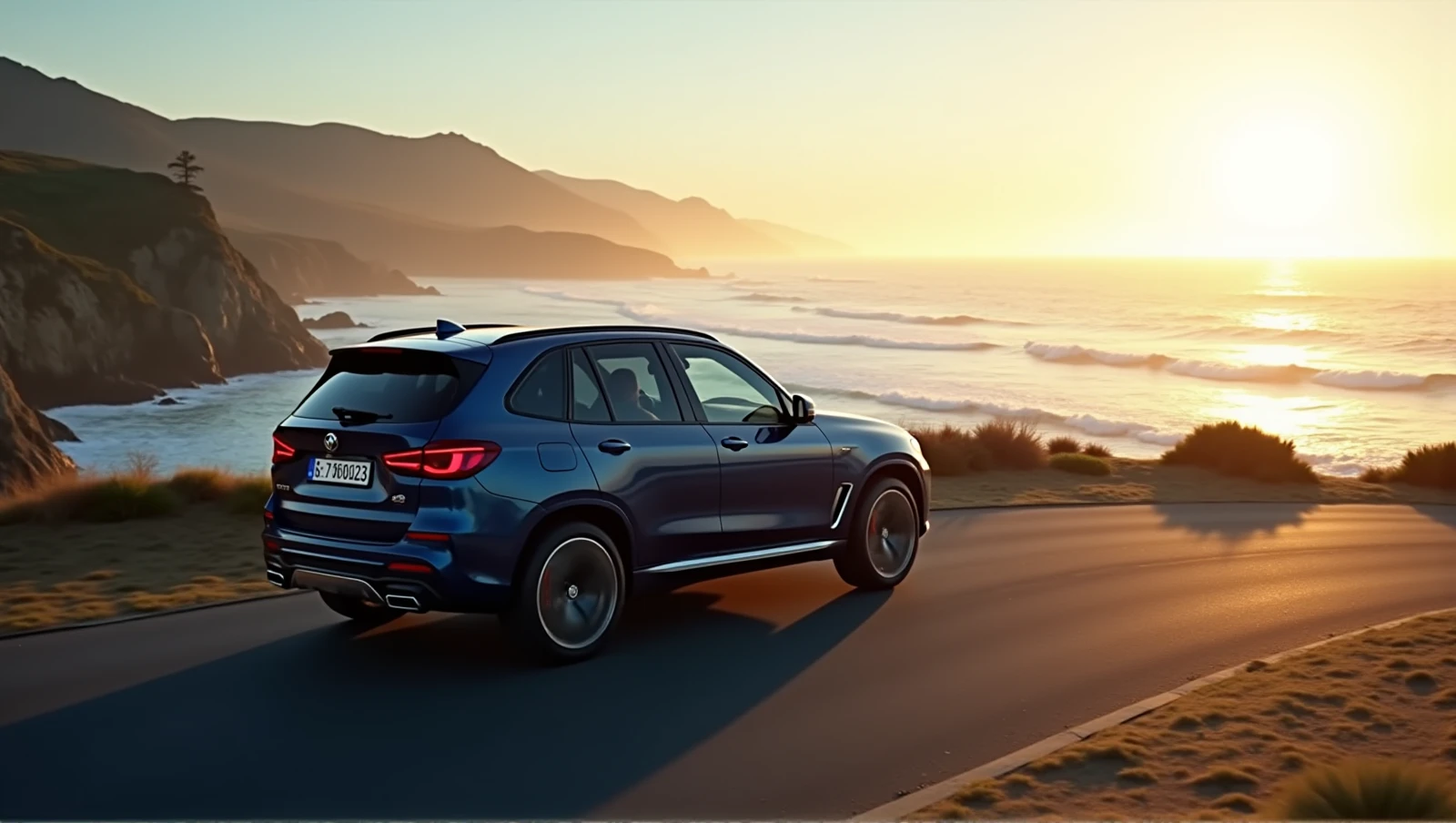
I remember when purists scoffed at the idea of a luxury utility vehicle. They called them boat anchors. Today, those same critics are parking them valet-side at Barrett-Jackson. By vehicle type, sports utility vehicles led with 55.78% of luxury car market share in 2025. It makes sense when you think about how we use these machines. We want the performance of a GT car with the capability to haul bikes or dogs without folding seats into origami.
Sedans aren't dead, though. They are projected to grow at a 7.78% CAGR through 2031. There will always be a place for the low-slung grand tourer, but the center of gravity has lifted. For manufacturers, this means monetizing software and customization within these larger footprints. The driving dynamics have caught up, too. Modern air suspension and torque vectoring mean these high-riding machines can carve a canyon road almost as well as the coupes of yesterday.
Where the Money Is Moving
Geography plays a massive role in what gets built and how it's sold. While I love the heritage of European marques, the growth engine is clearly firing elsewhere. Asia-Pacific accounted for a 42.75% luxury car market share in 2025. Rapid wealth creation in this region is driving demand for personalized, eco-conscious mobility. Meanwhile, the Middle East & Africa region is forecast to post the fastest 7.96% CAGR to 2031.
This shift influences everything from wheelbase options to rear-seat entertainment specs. It also changes how you buy the car. Authorized dealerships held 89.62% share of the luxury car market size in 2025, but direct-to-consumer platforms are climbing at an 8.86% CAGR. Tesla's pure-play EV strategy pushed established European and U.S. marques toward leaner retail footprints. There's something lost when you don't handshake a dealer, but there's something gained in transparency.
Electrification Beyond Compliance
For a car that runs on a battery, having a combustible battery is a rough start, but the tech is maturing. The market concentration remains medium, meaning there's still room for competition to drive innovation. Chinese up-market brands are intensifying competitive pressure, pushing established names toward faster electrification and richer digital services.
Mid-level luxury captured 44.78% of the luxury car market size in 2025, but the ultra-luxury segment is advancing at an 7.92% CAGR to 2031. This is where the bespoke options live. Mass customization is growing, allowing buyers to tailor their vehicles beyond just paint codes. Despite ownership-cost inflation and lingering supply-chain kinks, the luxury car market continues to outpace the broader auto sector.
As we look toward 2031, the definition of luxury is expanding. It's no longer just about leather stitching and wood trim. It's about connectivity, sustainability, and presence. Whether you're watching a classic Ferrari cross the block or a new electric flagship glide silently past the concours lawn, the passion remains the same. The machinery changes, but the love for the drive doesn't.