Every car has a story. Here's this one. The 1959 Chevy Bel Air is the car that taught America to dream in tail fins. It was the last of the true 1950s cruisers, the final Bel Air before Chevrolet's full-size lineup got bigger and less lovable. For collectors, it's a rolling time capsule of a decade that believed more was more. Whether you're buying one, restoring a barn find, or just wondering why these cars pull real money at auction, this guide covers the ground.
The Design That Changed American Car Culture
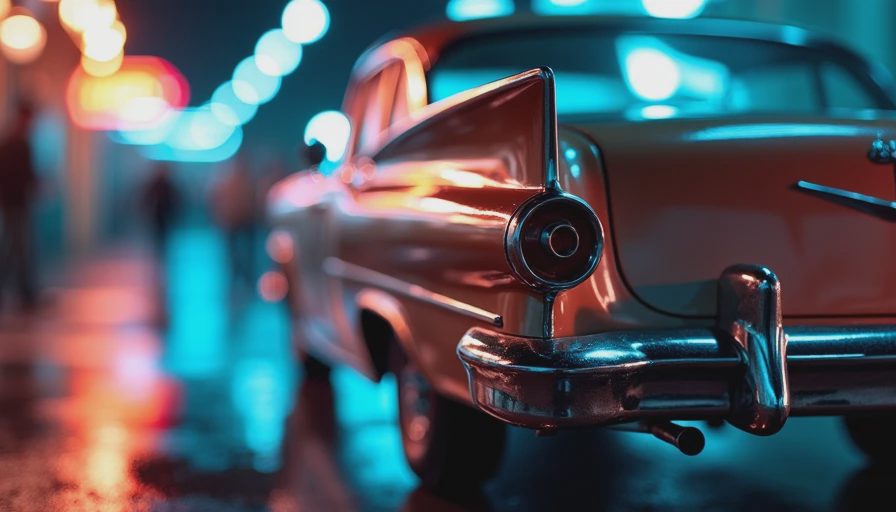
By 1959, Chevrolet was in a styling arms race with Ford and Chrysler. The '59 Chevy stretched longer and lower, with cat-eye taillights wrapped around massive chrome-dipped rear bumpers. The 1959 Chevy Bel Air sat on a 119-inch wheelbase, and its two-tone paint options were pure theater. From behind the wheel, what stays with you is the sheer width of the hood stretching toward the horizon. This was a car built to dominate the American road.
Heritage Note: The Bel Air name had been around since 1950, but the '59 model is the one everyone remembers. It's the car in the background of countless family photographs, the one your grandfather described with a grin. The rear fins were a direct answer to the 1957 Chrysler design, and the '59 remains the peak. On a Concours lawn, a red and white hardtop draws a crowd faster than most Italian exotics.
Behind the Wheel: What the 1959 Bel Air Feels Like
Driving a 1959 Bel Air is nothing like driving a modern car. The steering is high-effort, the brakes are drum units that want a firm push, and the ride is a rolling, swaying, beach-cruiser float. But that's the charm. Most Bel Airs packed a 283-cubic-inch V8, and plenty of buyers ordered the 348, which made the car genuinely quick for its size. The three-speed column shift was sensible, but the Powerglide automatic is worth holding out for if you plan to use it on drive-in nights.
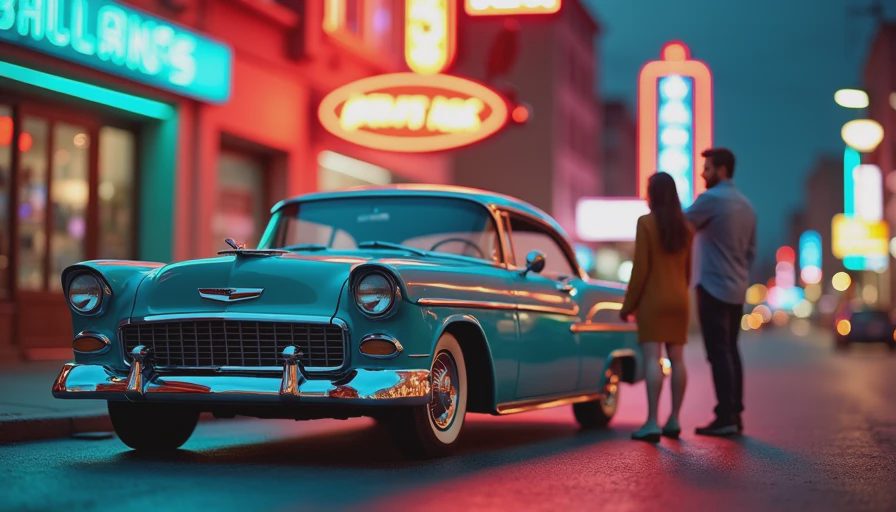
The interior is a mid-century masterpiece. A wide bench seat, a factory dashpad that shines in the California sun, and enough chrome to make a Las Vegas sign look shy. What surprises people is how usable this car is on a weekend trip. I've driven one from Monterey to Santa Barbara for a car show, and the biggest issue was parking it at the hotel without letting the fins poke over the striped line.
Buying a 1959 Chevy Bel Air: What to Check
If you're in the market, know that these cars are not rare, but good ones are. Production numbers were high, but most were used up, parted out, or left under oak trees for decades. Here's what I look for when I'm walking a potential purchase.
First, the floors and lower quarter panels. Rust in the rear wheelhouses is common, and it's expensive to repair. Pull up the trunk mat and look at the drop-offs. Also check the cowl where water collects. A car that looks great in photos can be hiding bondo behind the bumpers.
Second, verify the VIN and the trim plate. The 1959 Chevy Bel Air came in three body styles: the four-door sedan, the four-door hardtop, and the two-door hardtop. But the two-door hardtop, known as the Bel Air Sport Coupe, is the one that tops collectors' lists. Matching numbers matter more now than they did twenty years ago.
Third, evaluate the chrome. Replating a full set of bumpers can cost $3,000 to $5,000 alone, and the rear bumper is the most complex piece on the car. Factor that into your offer.
Restoration Costs and Realistic Value
Let's talk money. At the lower end, a 1959 Bel Air sedan in driver condition can be found for $15,000 to $25,000. A solid four-door hardtop runs $25,000 to $40,000. The two-door hardtop, the Bel Air Sport Coupe, is where values get serious. A presentable driver can bring $35,000 to $55,000, while a meticulous frame-off restoration can command $75,000 to $100,000 at auction. The convertible is the rarest body style; those easily pass the six-figure mark in top condition.
Restoring one yourself is a labor of love. Sheet metal is available from companies like Dynacorn and Classic Industries, and reproduction interior kits run $2,500 to $4,000. The good news is that this car has one of the strongest support networks in the hobby, which is why it's a sensible entry-level classic.
Why the 1959 Chevy Bel Air Still Matters
The 1959 Chevy Bel Air matters because it represents the last moment of genuine innocence in American car design. The 1960s brought more performance and more complexity, but the '59 had both — playful and confident. Every time one rolls onto a show field at Pebble Beach, the crowd does the same thing: they stop, they smile, and somebody says 'my uncle had one just like it.'
That's the real reason to own one. It's not the straight-line speed or the investment return. It's the way this car makes ordinary people light up. Three generations later, it's still the car that starts conversations in restaurants, gas stations, and school pickup lines. And that's worth more than any auction result.
If you're ready to dig deeper, walk the aisles at a Barrett-Jackson or Mecum auction, or browse Bring a Trailer. Then join a Classic Chevy Club chapter and talk to owners. The knowledge is free, and the stories beat any spec sheet.
Every car has a story. Here's this one. Go write yours.