There is a particular satisfaction in seeing a well-kept coupe roll past with glass that looks deep, clean, and intentional. The right window tint does more than darken a cabin. It changes the way a car presents itself, softens the afternoon glare, and can make a long drive feel calmer. The wrong film, however, can bring bubbles, purple fading, poor visibility, or an unwanted conversation during a traffic stop. Every car has a story. Here’s this one: how to choose window tint with the same care you would give its wheels, paint, or upholstery.
What window tint actually does
Automotive film is a thin layer applied to the inside of a vehicle’s glass. Depending on its construction, it can reduce visible light, reject solar energy, limit ultraviolet exposure, and add a measure of privacy. Those benefits are not identical. A very dark dyed film might change the appearance of a sedan while offering less heat rejection than a quality ceramic product that looks nearly clear.
For a collector car, protecting the interior matters. Leather bolsters, dashboard plastics, wood veneers, and vintage fabrics can all suffer under repeated sun exposure. Window tint cannot stop every form of aging, but a reputable film can reduce the punishment that enters through the side and rear glass. It also helps keep a parked car more comfortable when you return after a summer afternoon.
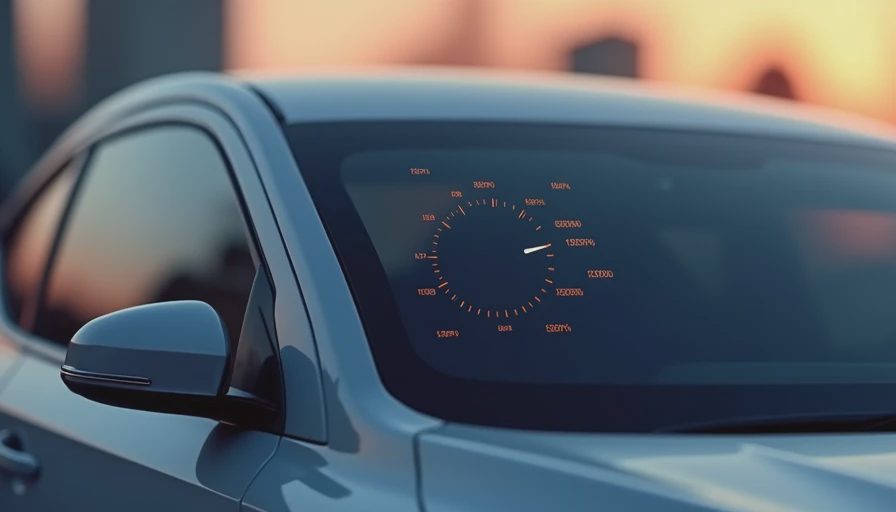
The visible darkness is described by visible light transmission, or VLT. A higher VLT percentage means more light passes through. A 70 percent film is relatively light, while a 20 percent film is considerably darker. Windshield applications are usually kept very light, if they are permitted at all, because forward visibility deserves priority over drama.
Choosing the right film for your car
Dyed film is generally the entry-level choice. It can provide a darker appearance at a price often between $150 and $350 for a basic sedan, depending on the installer and coverage. It may be perfectly sensible for a daily driver, but lower-cost dyed products can fade over time. On a special car, that aging can look as out of place as cloudy headlamps.
Metalized film uses tiny metallic particles to reflect heat and create a durable finish. It can perform well, but some products interfere with radio, satellite, GPS, or cellular signals. That is an awkward trade in a modern grand tourer, especially when the car’s original electronics are part of its appeal.
Carbon film offers a more stable appearance and stronger heat control than many basic dyed films. Ceramic film usually sits at the premium end, often costing $400 to $900 or more for a full vehicle. Its appeal is strong infrared rejection without requiring an especially dark shade. Brands such as 3M, Llumar, XPEL, and SunTek offer recognizable product lines, but installation quality still matters more than a logo on the box.
Legal limits and practical visibility
Tint laws differ by state and often distinguish among the windshield, front side windows, rear side windows, and back glass. Some states allow darker rear glass on vehicles with exterior mirrors, while front windows face tighter limits. Medical exemptions exist in some jurisdictions, but they normally require documentation and do not automatically authorize any shade a driver chooses.
Before installation, ask the shop to identify the legal VLT for each window in your state. A meter reading can be affected by factory glass, because the final result is the combination of the original glass and the added film. Installing a nominal 35 percent film over already tinted glass may produce a much darker result than expected.
Visibility is the heart of the decision. At a bright Concours field, dark glass can give a modern car a sharp silhouette. At night on an unlit road, excessive darkness can make lane changes and reversing more difficult. I prefer a shade that preserves the driver’s confidence rather than chasing the deepest possible black.
Installation details that separate good work from bad
A professional installer begins by cleaning the glass thoroughly and removing dust, adhesive residue, and old film. Door panels or trim may need careful protection. The film is then cut, shaped with heat, and applied with a solution that allows positioning before the adhesive sets. On curved rear glass, precise shrinking is essential; rushed work often leaves fingers, creases, or edge lift.
Expect a little haze or moisture during the curing period. That is not automatically a defect. A shop should explain how long the film needs before windows can be lowered and what conditions help it cure. Bubbles that remain after the stated curing window, ragged edges, contamination under the film, or a strong ammonia smell are reasons to return promptly.
Ask about the warranty in writing. Many established films carry manufacturer coverage against bubbling, peeling, cracking, or unusual discoloration when installed by an authorized shop. Keep the invoice and product details with the vehicle records, especially if the car is leased, financed, or likely to be sold as part of a carefully documented collection.
Window tint and auto insurance
Window tint is not normally a separate auto insurance coverage. It is generally treated as part of the vehicle when permanently installed, but the handling of custom equipment can depend on the policy and the claim. A standard comprehensive claim for covered glass damage may not reimburse every dollar spent on premium aftermarket film unless the policy recognizes that upgrade.
That distinction matters after vandalism, theft, hail, or another covered event damages a tinted window. Ask your insurer whether replacement glass includes the film and whether custom equipment coverage is available. Collision and comprehensive coverage have different purposes: collision generally addresses damage from impact, while comprehensive commonly addresses non-collision events such as theft, vandalism, falling objects, or weather. Neither coverage removes the policy deductible.
Do not assume that darker film earns an insurance discount. Insurers typically price policies using factors such as driving history, location, vehicle type, coverage limits, deductible, and claims history. A tint upgrade can improve comfort and appearance, but its financial value usually comes from protecting the cabin and making the car more enjoyable, not from lowering the premium.
A smart buying process for enthusiasts
Start by photographing the existing glass and noting whether it already has a factory tint. Then obtain two or three written estimates that list the film series, VLT shade, windows covered, removal charges, warranty, and expected completion time. A quote that simply says “premium window tint” is not detailed enough for a $700 installation.
Visit the shop before booking. Look at the edges of completed work, especially around defroster lines, door seals, and the lower corners of side windows. The cleanest studios are not necessarily the fanciest, but they should control dust, use proper lighting, and explain the process without pushing the darkest product.
For a 911, Corvette, Lexus LC, or classic Alfa Romeo, consider the character of the design. A light ceramic film can preserve an airy, original-feeling cabin while reducing heat. A blacked-out treatment may suit a modern performance sedan but overwhelm the delicate proportions of a 1970s sports car. Good taste is not about spending the most; it is about making the modification look as though the factory intended it.
Final thoughts before you book
The best window tint is the one you notice only when the sun is low, the cabin stays composed, and the glass still looks like part of the car rather than an accessory pasted onto it. Confirm the law, choose the film for its actual performance, and treat installation as skilled finishing work. Save the paperwork for your insurance file and ask about custom-equipment treatment before a claim ever occurs.
From behind the wheel, what stays with you is the reduced glare, the cooler seat, and the feeling that the car has been edited rather than altered. That is the standard worth chasing, whether the badge says Porsche, Mazda, Ford, or something rescued from a garage and given another life.