There is a particular pleasure in settling into a well-kept performance car before sunrise, when the glass is cool and the dashboard still carries the night's quiet. The right front windshield tint percentage can preserve that calm by reducing glare and cabin heat without turning the road into a gray tunnel. The wrong choice, however, can compromise visibility, attract a traffic stop, or create trouble when a windshield claim is filed.
For enthusiasts, this is not merely a styling decision. A Porsche 911, Lexus LC, restored Alfa Romeo Spider, or humble Mazda Miata deserves a windshield treatment that respects both its design and its road manners. Here is how to choose tint intelligently, understand visible light transmission, and protect the car's long-term story.
What the front windshield tint percentage actually means
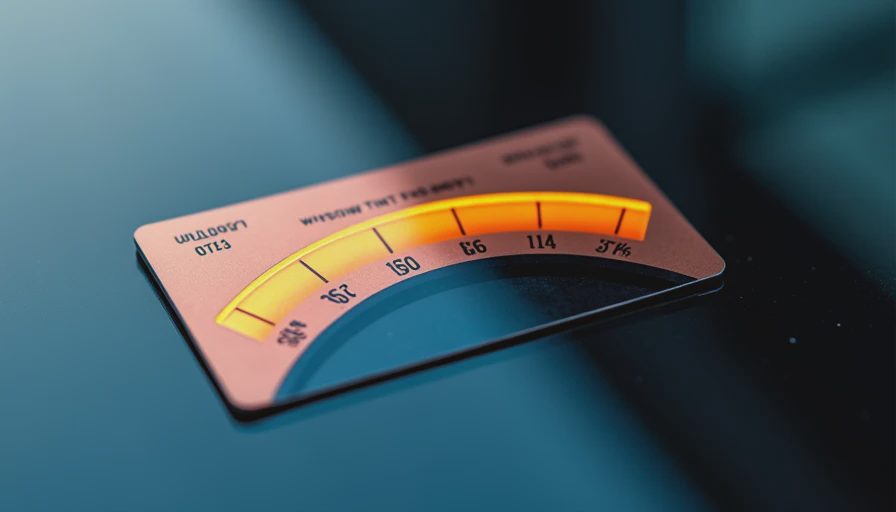
Tint is usually described by visible light transmission, or VLT. VLT is the percentage of visible light that passes through the glass and film. A 70% VLT film allows roughly 70% of visible light through and appears very light. A 50% film is darker, while 35% and 20% films are progressively more noticeable. Because the factory glass may already have a slight green or blue tint, the final result is a combination of the original glass and the added film.
That distinction matters. A film marketed as 70% does not always produce a final 70% reading once installed over factory glass. On a modern car, the finished measurement can be several points darker than expected. Ask the installer to measure the bare glass and the completed windshield rather than relying only on the box label.
The practical sweet spot for many drivers is a high-VLT ceramic film, often in the 70% to 80% range, provided it is legal where the vehicle is registered. It can reject infrared heat and ultraviolet exposure while looking nearly clear from outside. Darker shades offer more visual drama, but the windshield is the wrong place to chase a smoked appearance.
Heritage Note: On a vintage car, clear glass is part of the design language. A 1960s grand tourer was drawn around thin pillars, bright trim, and an open view ahead. A barely visible heat-control film can improve comfort without disguising the period character that makes the car worth preserving.
How to choose a legal front windshield tint percentage
Windshield tint rules are set primarily by state law, and they differ considerably. Some states permit a strip along the top of the windshield above the manufacturer AS-1 line, while allowing little or no aftermarket tint below it. Other states permit a light, nonreflective film across more of the windshield if the final VLT remains above a stated threshold. Medical exemptions exist in some jurisdictions, but they typically require documentation and specific approval.
Before ordering film, check the rule for the state where the car is registered, not simply where the installation shop is located. A car driven from California to Nevada, Arizona, or Oregon can encounter different enforcement expectations. A reputable shop should know local rules, but the owner remains responsible for compliance.
If a legal windshield strip is all that is allowed, measure its height carefully. The strip should not intrude into the driver's primary viewing area or interfere with cameras, rain sensors, toll tags, or inspection markings. Never assume that a film is legal because a major brand sells it. Llumar, 3M, XPEL, and SunTek offer reputable automotive films, but legality depends on the shade, installation location, and local regulation.
Ceramic film, dyed film, and the view from behind the wheel
Dyed film is often the least expensive option, with installation commonly ranging from about $150 to $350 for a basic package. It can reduce glare and add privacy, but lower-quality dyed film may fade, turn purple, or develop an uneven appearance over time. Metalized film can reflect heat effectively, yet it may interfere with radio signals, GPS, or toll equipment.
Ceramic film generally costs more, often around $300 to $700 for a windshield depending on the vehicle and installer. It uses nonmetallic particles to manage heat and ultraviolet exposure while preserving electronic function. The film does not make the air conditioner magically stronger, but it can make a dark dashboard and steering wheel less punishing after the car sits in the sun.
The best front windshield tint percentage is the lightest legal shade that achieves your goal. From behind the wheel, look for a clean view of lane markings, brake lights, pedestrians, and cyclists at dusk. A film that feels elegant at noon can become tiring after sunset, especially on a winding road with oncoming headlights. I prefer a nearly clear ceramic windshield and reserve darker film for the rear side windows where permitted.
Installation details that separate a fine job from a problem
Glass preparation determines the finish more than the logo on the film box. The installer should remove dust, clean the edges, protect the dashboard, and use a careful pattern rather than forcing the material around sensors or camera housings. Tiny water pockets can disappear during curing, but dirt specks, creases, cloudy edges, and long scratches are signs of poor workmanship.
Ask whether the shop uses a computer-cut pattern for your exact model. A plotter can reduce the chance of cutting directly on the glass, while an experienced installer still needs to finish the perimeter cleanly. On cars with lane-keeping cameras or advanced driver-assistance systems, the windshield may require calibration after replacement. Tint should not cover the camera's viewing area or obscure a sensor's operating window.
After installation, keep the windows closed for the period recommended by the shop, commonly several days. Do not press on bubbles or clean the film with ammonia-based products. A soft microfiber towel and tint-safe cleaner will protect the surface. Save the invoice, film warranty, and VLT information in the vehicle file, especially if the car is collectible or frequently shown.
Front windshield tint percentage and auto insurance
Tint usually does not create an automatic insurance discount, and insurers do not generally price a policy simply because a legal ceramic film is installed. The more important issue is disclosure. If the film is part of a substantial modification package, tell your insurer and ask how the policy treats aftermarket equipment. Standard comprehensive coverage may address glass damage, but coverage limits, deductibles, and custom-parts provisions vary by policy.
Suppose a replacement windshield costs $900 because it includes a camera mount, acoustic glass, and a high-end film. A policy with a $500 comprehensive deductible could leave the owner paying that deductible plus any film or calibration amount not covered under the contract. Some carriers offer glass claims with different deductibles, while others treat tint as an accessory unless it is documented. Keep photographs and receipts before damage occurs.
A quote comparison can also reveal whether switching insurers makes sense after a collector car acquires modern coverage. GEICO, Progressive, State Farm, and regional carriers all structure comprehensive and custom-equipment coverage differently. Compare the deductible, glass terms, permitted-use restrictions, and stated-value or agreed-value language rather than choosing on a premium alone.
A sensible checklist before tinting your car
Start by confirming the registered state's windshield rules and whether the law measures the film alone or the final glass-and-film combination. Next, identify the factory glass, camera locations, rain sensor, and any windshield antenna. Then request two or three written quotes that name the exact film, VLT, warranty, removal policy, and expected curing time.
Ask the installer to demonstrate the view from inside at noon, dusk, and under a parking-garage light if possible. Check for haze around the rear-view mirror, distortion near the lower corners, and reflections from the dashboard. If a shop insists that a dark film is legal without measuring the finished glass, walk away.
Finally, photograph the completed windshield, store the paperwork, and notify your insurer when the film forms part of a larger modification. The most satisfying result is subtle: less heat, less glare, no sensor trouble, and no distraction from the road or the car's original design.
Every car has a story. Here's this one. Choose the front windshield tint percentage as carefully as you would choose tires, brake pads, or a period-correct steering wheel, and the improvement will be felt every time the key turns.