At first glance, the refreshed Model Y looks like a familiar Tesla wearing a sharper suit. Look longer, however, and the story becomes more interesting: quieter intentions, cleaner surfaces, revised lighting, and a cabin aimed at making long journeys feel less like time spent inside a rolling device. The tesla model y juniper 2026 changes matter because this is not simply a cosmetic update. It is Tesla refining the car that carried the brand from niche electric maker to mainstream luxury transport.
The name Juniper refers to the internal and enthusiast shorthand for the refreshed Model Y program. Tesla has introduced the update in stages and markets, so equipment, pricing, and availability can differ by region and production date. That distinction is essential when evaluating tesla model y juniper 2026 changes: some details are visible on delivered cars, while others remain dependent on trim, factory configuration, or future software releases.
A quieter, more composed design
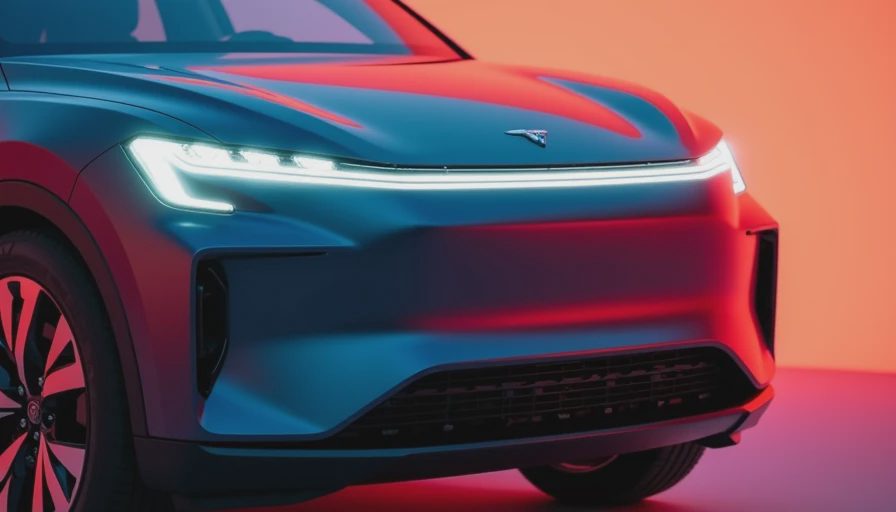
The most immediate change is visual. The updated Model Y adopts a more deliberate front treatment, with slim lighting elements and a smoother nose that reduces the upright, appliance-like impression of the outgoing crossover. At the rear, a full-width lighting signature gives the car more presence after dark. New bumpers, wheel designs, and surface detailing complete the transformation without abandoning the recognizable Model Y silhouette.
From a Concours judge's perspective, this is a restrained modernization rather than a clean-sheet design. Tesla has not tried to imitate a Porsche Macan or a Lucid Gravity. Instead, the designers tightened the original theme. The result is less visual clutter and a stronger sense of width. Whether that makes it beautiful is personal; whether it makes the car look more expensive is easier to answer. It does.
Aerodynamic work also appears to be part of the update. Smoother details can help reduce wind noise and support efficiency, although the real-world benefit depends on wheel choice, tires, weather, speed, and temperature. A buyer should treat official range figures as useful comparisons, not a promise of identical road-trip results.
What changed inside the cabin
The interior is where the tesla model y juniper 2026 changes become most meaningful during daily use. Revised seats, improved trim, and additional sound insulation aim to make the cabin calmer. Tesla has also continued its minimalist approach, so buyers coming from a BMW X3 or Mercedes-Benz GLC should not expect a traditional dashboard full of physical switches.
That minimalism remains both the car's signature and its dividing line. The central touchscreen handles navigation, climate controls, media, and many vehicle settings. Some functions are intuitive after a week; others require a glance away from the road at exactly the moment an old-fashioned button would have been preferable. Tesla's interface is powerful, but the ownership experience rewards drivers willing to learn its logic.
Rear passengers receive attention as well, with changes intended to improve comfort and entertainment. A family using the Model Y for school runs will notice seat cushioning and cabin quietness more than a small acceleration difference. An enthusiast driving across Nevada or California will appreciate reduced fatigue, especially when road surfaces become coarse and the wind rises.
The driving character: refinement over drama
The tesla model y juniper 2026 changes do not turn the crossover into a sports car, and that is perfectly acceptable. The Model Y's strength has always been the instant, quiet shove of electric torque combined with useful cargo space and a high driving position. The refresh appears focused on making that experience more polished rather than dramatically faster.
Depending on version, buyers can still choose between rear-wheel-drive and all-wheel-drive configurations, with performance, range, and equipment varying accordingly. Dual-motor all-wheel drive is the more compelling choice for drivers who value strong passing response and confident wet-weather traction. The less expensive configuration can make more sense for commuters who charge at home and rarely face mountain weather.
The steering remains quick and the body remains taller than a sedan, so this is not a replacement for a BMW M3 or Porsche 718 Cayman. Yet the Model Y can be satisfying on a winding road because its battery keeps the center of gravity low. From behind the wheel, what stays with you is the clean, effortless pace—not the theater of an engine climbing toward redline.
Technology, charging, and ownership details
Software is a major part of the tesla model y juniper 2026 changes story. Tesla can revise navigation, driver-assistance behavior, charging displays, and entertainment features through over-the-air updates. That means the car you collect at delivery may not behave exactly like the same car a year later. It also means buyers should distinguish between hardware changes and software promises.
Charging remains central to the ownership decision. A driver with a home Level 2 charger can start most mornings with a full or nearly full battery, while an apartment resident may depend on workplace or public charging. Tesla's Supercharger network remains an important advantage, though compatibility, pricing, wait times, and access can differ by location. Before ordering, map the stations used on your actual routes rather than relying on a general impression of network size.
Insurance, tires, repair access, and depreciation deserve equal attention. A large wheel package can look excellent but cost more when replacement tires arrive. Advanced sensors and body components can also make collision repairs more involved than an owner expects. Obtain an insurance quote and a tire replacement estimate before treating a discounted purchase price as the full financial picture.

What is confirmed and what remains uncertain
The safest way to interpret tesla model y juniper 2026 changes is to separate delivered-car observations from speculation. Exterior revisions, cabin updates, and the general emphasis on comfort are visible elements of the refresh. Exact 2026 trim names, incentives, range ratings, production changes, and regional equipment should be verified against Tesla's current configurator and the window sticker for the specific vehicle.
That caution matters because Tesla can alter pricing and configurations with little ceremony. A feature shown in one market may not appear in another. A vehicle built late in a model year can also carry equipment differences from an earlier example with the same badge. Enthusiasts accustomed to model-year traditions from Porsche, Ferrari, or Mercedes-Benz should not assume Tesla follows the same calendar rhythm.
For collectors, this creates an unusual question. The Juniper Model Y is unlikely to become a collectible merely because it is refreshed. Its significance is cultural: it represents the moment electric crossovers became ordinary enough to reshape family transportation. Buy one because it suits your life and you enjoy its design, not because a limited-production story has been invented around it.
Should you buy now or wait?
The tesla model y juniper 2026 changes make the refreshed car the more appealing choice for buyers who value cabin quietness, updated styling, and the newest available hardware. If your current vehicle is expensive to fuel, aging, or uncomfortable on long trips, the improvement can feel substantial. A home charger strengthens the case considerably.
Waiting makes sense when you need a precise trim, a particular range target, or a firm answer about regional equipment. It also makes sense if you are comparing the Model Y with the Hyundai Ioniq 5, Ford Mustang Mach-E, Kia EV6, or a used luxury crossover. Those alternatives bring different strengths in ride comfort, charging access, interior design, and dealer support.
My advice is simple: drive the exact configuration you can buy, inspect the rear-seat comfort, test the touchscreen in daylight, and calculate charging and insurance costs before signing. Every car has a story. Here's this one: the Model Y is becoming less about novelty and more about maturity, and the Juniper update is its clearest chapter yet.