A classic car is never just transportation. It is a memory on four wheels, a shape that still turns heads at a stoplight, a machine with a voice all its own. If you have ever asked **what is the definition of a classic car**, the short answer is this: a classic car is generally an older vehicle valued for its age, design, condition, rarity, or historical interest. In practice, though, the definition changes depending on who is using it, whether that is an insurer, a state motor vehicle office, a collector, or an auction house. Every car has a story. Here's this one.
The basic definition most people use
In everyday conversation, a classic car is usually a vehicle that is old enough to feel historic but modern enough to be usable and desirable. Many enthusiasts use 20 to 25 years as the starting point, though not every 25-year-old car earns the title automatically. A well-kept 1990s BMW M3, a Fox-body Mustang, or a Mercedes SL from the same era can be called classic because they represent a moment in design and driving culture that still matters.
Age alone is not enough. Condition, originality, and cultural significance all matter. A heavily worn commuter sedan from the early 2000s is old, but that does not necessarily make it classic. On the other hand, a clean Mazda Miata, Chevrolet Corvette, or Porsche 911 from that era may already be entering classic territory because collectors and insurers recognize its appeal.
This is why the answer to **what is the definition of a classic car** is part technical and part emotional. From behind the wheel, what stays with you is not just the year on the title. It is the sense that the car represents something lasting.
How insurers define a classic car
Insurance companies tend to be more specific, because coverage terms affect value, use, and risk. For classic car insurance, many carriers look for a vehicle that is older, well maintained, stored securely, and not used as a daily driver. Some insurers set a minimum age around 20 or 25 years, while others make room for collectible newer vehicles if they have limited production or strong enthusiast demand.
A classic policy often differs from standard auto insurance in one major way: agreed value coverage. Instead of paying based on depreciated market value, the insurer and owner agree on the vehicle's value upfront. That can be a major advantage for collector vehicles whose worth does not follow normal used-car pricing.
Typical requirements can include indoor storage, limited annual mileage, and proof that the driver has another regular-use vehicle. Companies like Hagerty, American Collectors Insurance, Grundy, and even large mainstream insurers with collector options often structure coverage this way.

If you are shopping for insurance, understanding **what is the definition of a classic car** matters because qualifying can open the door to specialized coverage, lower premiums, and better protection for restored or appreciating vehicles.
Classic, antique, vintage, and collector: not always the same thing
These terms get mixed together constantly, but they are not always identical. In enthusiast circles, “classic car” often works as the broad umbrella. “Antique” usually refers to older vehicles, often 25 years or more, and in some cases 45 years or older depending on the state or organization. “Vintage” is used more narrowly by some historians for vehicles from an earlier era, often pre-World War II, though casual use is looser.
“Collector car” is the most flexible label. It can include traditional classics, muscle cars, limited-production exotics, and even modern performance cars that have become desirable. A low-mileage Dodge Viper, Acura NSX, or air-cooled 911 might be insured or marketed as a collector car even if one person hesitates to call it a classic.
Heritage Note: this is where story matters as much as age. Some cars become collectible because they changed the market, won races, introduced new engineering, or defined a generation's idea of style. Three generations later, this is still the car that people remember from posters, road trips, and Sunday garage rituals.
What makes a car qualify beyond age
A few traits tend to push a vehicle from merely old into truly classic territory. The first is condition. Original paint, matching numbers where relevant, careful restoration, and complete records all strengthen a car's standing. The second is rarity. Special trims, low-production models, discontinued performance editions, and unusual factory options often attract more attention.
The third is significance. Maybe the model was a design landmark. Maybe it launched a brand into a new era. Maybe it delivered a kind of driving experience manufacturers no longer build. That is why a base economy car and a well-preserved enthusiast model from the same year can land in completely different places.
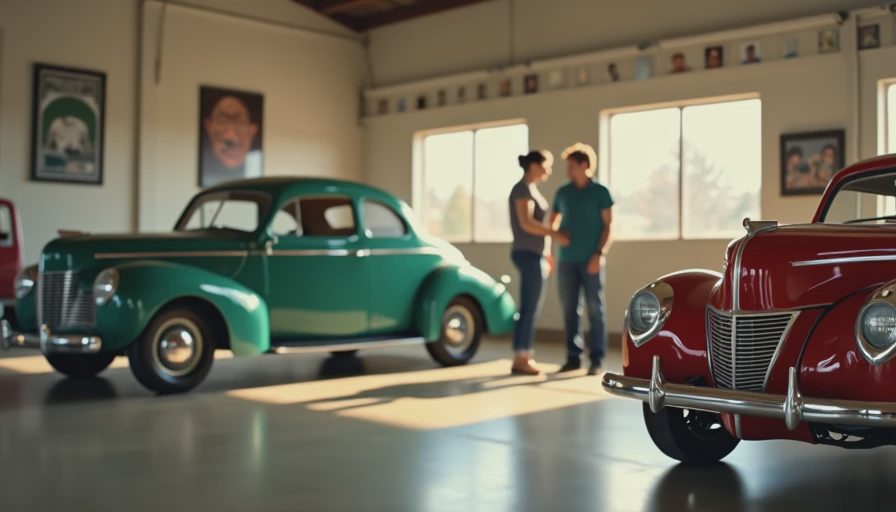
Market demand also plays a role. If buyers actively seek a certain model, insurers and valuation guides are more likely to treat it as a true classic or collector vehicle. That does not mean you need a six-figure Ferrari. A clean C4 Corvette, first-generation Ford Bronco, or 1980s Mercedes wagon can qualify because people care about them and values have held up.
Why the definition matters for registration, value, and insurance costs
Knowing **what is the definition of a classic car** is useful for more than conversation at a cars-and-coffee meet. It can affect registration, use restrictions, insurance options, and the way you value a vehicle before buying it. Some states offer classic or antique plates, but those registrations can come with limits on commuting or everyday use. The rules are not the same everywhere, so it is smart to read the exact language before applying.
For insurance, a classic designation can be a financial advantage. Standard auto policies are built for depreciation and routine use. Collector policies are built for preservation and agreed value. In many cases, premiums can be surprisingly affordable when the vehicle is stored properly and driven occasionally. A driver might pay less for a weekend classic policy than for a standard policy on a daily-use SUV, though coverage rules are narrower.
The definition also matters when buying. If a seller calls a car classic, look beyond the label. Check maintenance records, rust history, title status, and whether parts availability will make ownership enjoyable or exhausting.
So, what is the best definition to use?
The best working answer to **what is the definition of a classic car** is simple: it is an older vehicle with recognized historical, cultural, design, or collector value, often around 20 to 25 years old or more, and usually preserved better than an ordinary used car. That definition works for enthusiasts and gives you a practical starting point for insurance shopping.
If your car is older, driven sparingly, and cared for like something worth keeping, it may be time to look at classic car insurance instead of a standard policy. Compare agreed value options, mileage limits, storage requirements, and deductibles side by side. A few quotes can tell you quickly whether your car fits the category and whether specialized coverage could protect it better for less.
Because every car has a story, the smart move is to insure yours like it matters.