Every car has a story. Here's this one. If you've ever stood beside a polished fender at a local cars-and-coffee and heard three people call the same machine "vintage," "classic," and "antique" in the span of five minutes, you're not alone. The question of **vintage vs classic vs antique** matters more than cocktail-party semantics. These labels shape how enthusiasts talk about a car, how collectors value it, and, in many cases, how insurers underwrite it. Get the category right, and you're already making smarter choices about coverage, agreed value, storage, and use.
Why these labels get mixed up so often
Part of the confusion is cultural. In everyday speech, people use all three terms to mean "old and special." In the collector world, though, each carries a different flavor. Antique usually points to the oldest machinery, the kind of car that feels like a mechanical time capsule. Vintage often suggests a particular era and a sense of period character. Classic is the broadest and most contested label, because it can describe anything from a prewar tourer to a well-kept 1980s Mercedes, depending on who's talking.
Insurance companies add another layer. Some carriers use internal age thresholds for collector policies, while others care more about condition, rarity, mileage limits, and whether the vehicle is a primary commuter. That's why a 25-year-old Jaguar XJS might qualify for collector coverage with one insurer, while another may want to see secure indoor storage and a second daily-use vehicle before offering an agreed value policy. In the **vintage vs classic vs antique** debate, language and underwriting often overlap.
Antique cars: the oldest stories on four wheels
In the simplest terms, an antique car is generally one that has reached significant age, often 25 years or older in casual conversation, though many serious collectors reserve the term for much earlier vehicles. At shows and in judging circles, antique often evokes brass-era, prewar, or immediately postwar cars with obvious historical distance from modern motoring. Think Ford Model A, Packard Eight, Auburn, or an early Cadillac with design cues that belong to another civilization entirely.
What matters from an insurance perspective is that antique cars are usually not treated like ordinary used vehicles. Replacement parts can be scarce, repairs require specialists, and market value depends heavily on provenance, originality, and restoration quality. A standard auto policy that pays actual cash value can fall painfully short if the car has documented concours-level work. That's why many owners pursue collector insurance with agreed value coverage, where the payout amount is set upfront.
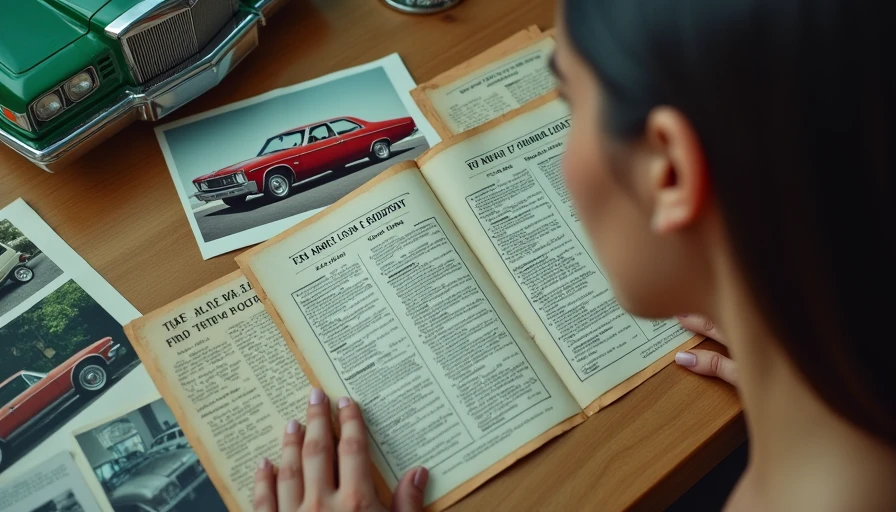
If your car falls into the antique end of the spectrum, ask about mileage caps, spare-parts coverage, and whether transport to shows is covered. Those details matter more than a generic age label.
Vintage cars: more than just "old"
Vintage is one of my favorite words in the automotive world because it describes mood as much as age. Historically, many enthusiasts use vintage to refer to cars from a specific early-era window, often between the end of World War I and the onset of the Great Depression. In broader modern use, though, people apply it to vehicles that clearly express the style and engineering of their period, whether that's a 1930s roadster or a 1960s Alfa Romeo with its original soul intact.
From behind the wheel, what stays with you is the sensation of time travel. A truly vintage-feeling car doesn't just look old; it delivers an experience rooted in its era, from steering effort to brake feel to cabin smell. That's why the **vintage vs classic vs antique** conversation can get emotional. One owner is using a strict historical definition, while another is describing character.
For insurance, the romantic part ends and the paperwork begins. Carriers will often want photos, garage details, annual mileage estimates, and a value that reflects the collector market rather than a price guide built for daily drivers. If you've invested $20,000 to $40,000 in restoration work, agreed value coverage can be the difference between a protected asset and a very expensive misunderstanding.
Classic cars: the broad middle ground most owners mean
Classic is the term most people reach for because it feels inclusive. A 1967 Mustang coupe, a C3 Corvette, a Mercedes-Benz SL from the 1980s, or even a clean first-generation Mazda Miata might get called classic depending on the crowd. Some clubs and insurers use 20- to 25-year thresholds, while others reserve the label for cars with lasting design, historical interest, or collector demand.
Heritage Note: not every classic was exotic when new. Some of the most beloved classics were everyday cars that became meaningful because people kept loving them.
That broad definition is exactly why classic car insurance has become such a useful category. Companies like Hagerty, Grundy, and American Collectors Insurance typically focus on how the vehicle is used and preserved, not just the model year. If the car is stored properly, driven occasionally, and maintained with care, premiums can sometimes come in lower than standard insurance because the risk profile is different.
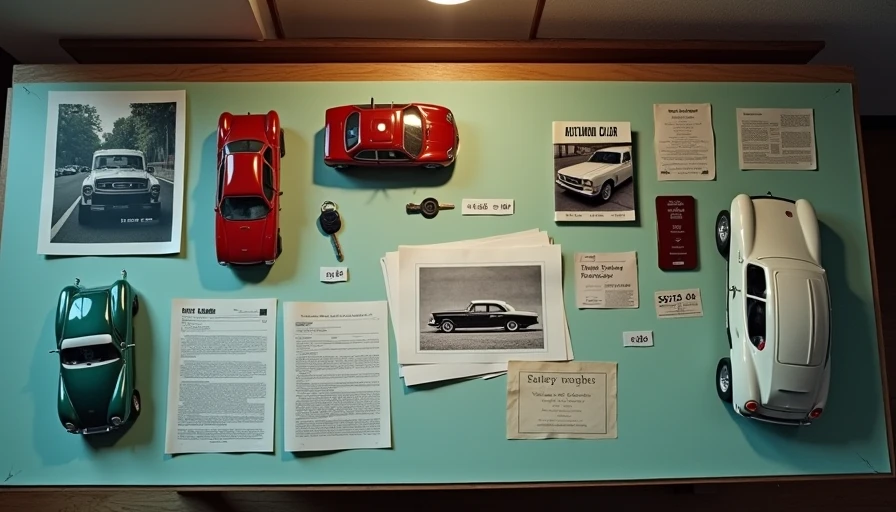
Still, don't assume every older car automatically qualifies. A high-mileage driver parked on the street and used for errands every day may need a conventional policy instead.
How insurance companies actually look at these categories
This is where **vintage vs classic vs antique** stops being trivia and starts affecting your wallet. Insurers usually care about five things: age, condition, storage, usage, and value. The age of the car gets attention, but storage in a locked garage, limited annual mileage, and proof that you own another daily-use vehicle often matter just as much.
Coverage structure matters too. Liability covers damage or injury you cause to others. Comprehensive covers non-collision losses like theft, fire, or hail. Collision covers crash damage to your vehicle. On collector policies, agreed value is often the star of the show because it avoids depreciation arguments after a total loss. Deductibles still apply, but the valuation method is what separates smart collector coverage from a standard auto contract.
If you're shopping, compare quotes from specialist carriers and mainstream insurers. State Farm and Progressive can sometimes write collector-friendly policies through certain channels, while dedicated collector insurers often understand seasonal use, spare parts, and restoration-in-progress vehicles better. Get at least three quotes and compare not just premium, but valuation method.
The practical way to classify your own car
If you're trying to decide where your vehicle belongs, start with honesty instead of ego. How old is it? How often do you drive it? Is it restored, preserved, or simply aging? Does the market treat it as collectible, or is it just an older used car with sentimental value? Those answers usually tell the story faster than the badge on the hood.
A simple rule helps. Antique generally points to the oldest and most historically distant vehicles. Vintage often refers to an earlier period car or one with unmistakable period character. Classic is the flexible middle term for collectible older cars that are admired, maintained, and no longer ordinary transportation. In the end, the **vintage vs classic vs antique** question matters because the right label helps you choose the right policy, avoid underinsuring the car, and speak the same language as appraisers, clubs, and buyers.
If your pride and joy deserves better than a one-size-fits-all policy, now is a good time to compare collector insurance quotes, ask for agreed value, and make sure your coverage matches the story your car is carrying.