Every car has a story. Here's this one. When people think of campervans, images of boxy Westfalias or sleek Sprinters often come to mind. But there's another van that has quietly built a global following among overlanders, surfers, and adventure seekers: the Toyota HiAce campervan. It's not flashy, it's not fast, but it is one of the most reliable, practical, and character-filled platforms you can convert into a home on wheels.
I first encountered a HiAce camper in the wild on a trip to Baja California. Parked on a remote beach, it had a rooftop tent, a small awning, and a couple of surfboards strapped to the side. The owner, a German expat, told me he'd driven it from Alaska to Patagonia with nothing but routine oil changes. That kind of durability is rare, and it's exactly why the Toyota HiAce campervan has become a legend in the overlanding community.
The HiAce traces its roots back to 1967, when Toyota introduced it as a light commercial vehicle. Over five decades, it evolved through multiple generations—from the round-eyed H40 to the boxy H100 and the modern H200. It was never designed to be a glamorous RV. It was designed to work. That work ethic, combined with Toyota's legendary reliability, makes it an ideal blank canvas for a camper conversion.
Heritage Note: The Van That Defined Practicality in Japan and Beyond
The Toyota HiAce was born in the same era as the Toyota Land Cruiser—both vehicles defined by function, not fashion. In Japan, the HiAce became the go-to van for small businesses, delivery fleets, and camping enthusiasts. It was sold globally, but it developed a particular cult following in Australia, New Zealand, Africa, and South America. Overlanders there recognized its toughness and ease of repair. You can find parts for a HiAce in almost any country in the developing world, and that peace of mind is priceless when you're thousands of miles from home.

Why the Toyota HiAce campervan is Perfect for Conversions
What makes the Toyota HiAce campervan such a great base for a camper? First, its boxy shape maximizes interior space. The high roof variants allow standing room, and the flat floor makes it straightforward to lay out a kitchen, bed, and storage. Second, the HiAce is available with diesel engines—particularly the 1KZ-TE and the later 1KD-FTV—that are known to run for hundreds of thousands of miles with basic maintenance. Third, many models come with 4WD, giving them genuine off-road capability. Unlike huge Class B motorhomes, a 4WD HiAce camper can take you deep into the backcountry.
There's also a thriving aftermarket ecosystem. Companies like CQ Campers in Japan, or custom builders in the US like Vanlife Customs, specialize in converting HiAce vans into fully outfitted campers. You can buy a turnkey conversion or build it yourself. The platform is simple enough for a DIY project, yet robust enough for full-time living.
Choosing the Right Generation
The two most common generations for camper conversions are the H100 (1989-2004) and the H200 (2004-present). The H100 is lighter, simpler, and easier to work on. Its 2.4L and 2.8L diesel engines are bulletproof, and parts are very cheap. But it's older, so you'll need to be comfortable with some rust and wear. The H200 is more refined, has better safety features, and offers more modern diesel engines. It's heavier and more expensive, but you get airbags, ABS, and a much quieter cabin. If you're planning a build-it-once-and-go vehicle, the H200 is the better choice.
What to Look For When Buying a Used HiAce Campervan
Whether you're importing one from Japan or buying a converted van in the US, there are a few key things to check. Rust is the number one enemy, especially around the rear wheel arches, sliding door tracks, and undercarriage. These vans are unibody, so structural rust can be a dealbreaker. Engine condition is next: listen for timing chain rattle (in some 1KD engines) and inspect the cooling system. The automatic transmissions are generally reliable, but manual swaps are common for overlanding builds.
Another factor: emissions regulations. In the US, importing a Toyota HiAce campervan older than 25 years is straightforward, but newer models must comply with EPA and DOT standards. That's why most HiAce campers in the US are from the late 1990s. However, some converters are now federalizing 2000s-era vans, so it's worth shopping around.
A Real-World Build: From Work Van to Adventure Mobile
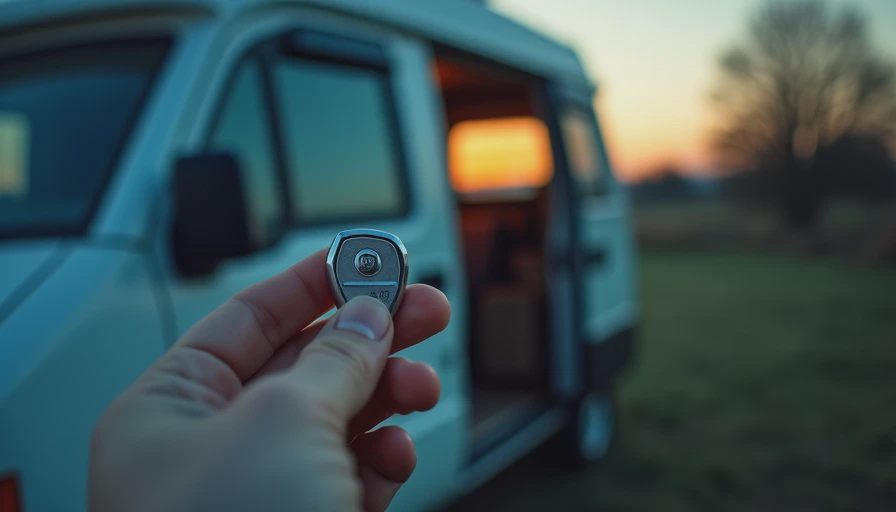
A friend of mine in Colorado recently finished converting a 1998 Toyota HiAce campervan, a Japanese import with the 1KZ-TE engine and factory 4WD. He installed a pop-top roof, a propane stove, a marine fridge, and a lithium battery system. The total cost: about $15,000 for the van and $10,000 for the conversion. He and his wife spent six months traveling through the Rockies, and the van never missed a beat. They averaged 22 miles per gallon, could sleep two adults and a child, and had enough storage for a month of supplies. That's the kind of real-world versatility the Toyota HiAce campervan delivers.
If you're considering a camper van, don't overlook this humble Japanese workhorse. It may not have the brand cachet of a Mercedes Sprinter or a Volkswagen, but it has something more important: a proven track record of adventure, reliability, and character. The next time you see a HiAce camper parked at a trailhead, take a closer look. Its story might just inspire your own.