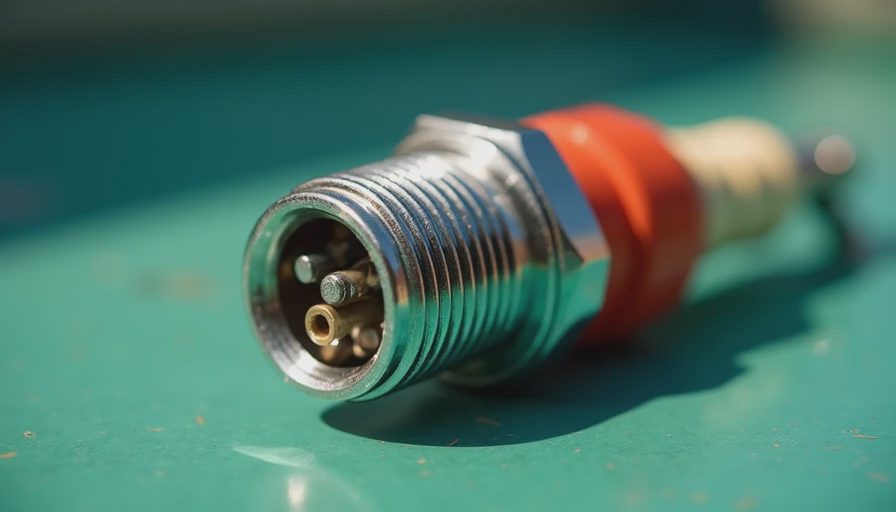
I still remember the day a cheap spark plug socket ruined my Sunday drive. The rubber grip slipped, the ceramic insulator cracked, and I spent the afternoon hunting for a replacement instead of enjoying the coastal roads. If you've ever fought with a stuck plug or stripped a hex, you know that a good spark plug socket isn't just a tool—it's the difference between a smooth tune-up and a roadside headache. Every car has a story, but the right spark plug socket helps you write a better one.
Why You Need a Dedicated Spark Plug Socket
Most general-purpose sockets don't have the depth or the rubber insert that a proper spark plug socket offers. The rubber insert cushions the porcelain and helps you extract the plug from deep wells without damaging it. Without it, you risk chipping the insulator, which can lead to misfires or even engine damage. I've seen beginners use a standard 5/8-inch socket and end up with a cracked plug—and a $200 tow bill. A dedicated spark plug socket costs anywhere from $8 to $25, and it's the cheapest insurance you'll ever buy for your engine.
What to Look For in a Spark Plug Socket
Not all spark plug sockets are created equal. Here are the features I prioritize:
- **Rubber insert**: Must be firm but flexible. Cheap ones harden over time and lose grip.
- **Magnetic option**: Some prefer a magnet instead of rubber. I like both, but magnets can fail if you drop the socket.
- **Thin-wall design**: Essential for modern engines with tight clearance. Look for a thin-wall spark plug socket if you're working on a DOHC V8 or a transverse 4-cylinder.
- **Hex size**: Most cars use 5/8-inch (14mm), but some older European cars take 13/16-inch. Always check before buying.
I keep a set of three spark plug sockets in my tool box: a 5/8-inch thin-wall from GearWrench ($20), a standard 5/8-inch from Craftsman ($12), and a 13/16-inch for Italian classics ($18). Each has served me well.
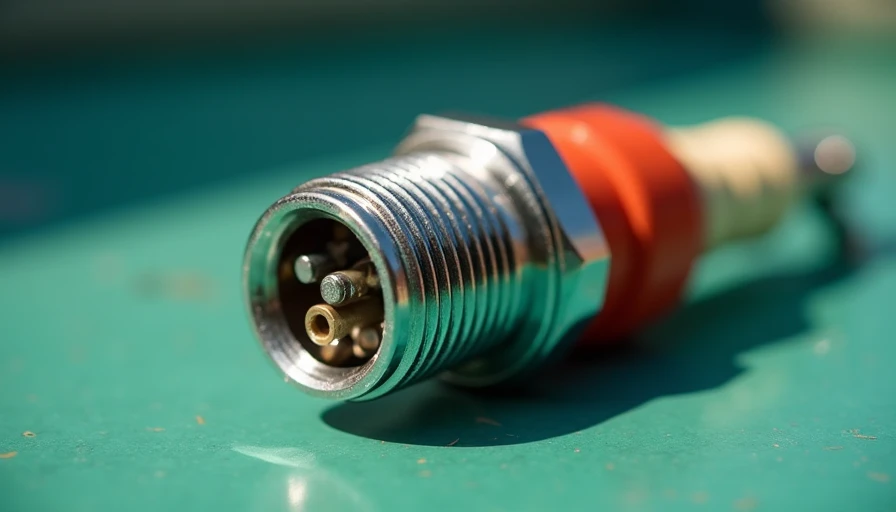
My Favorite Spark Plug Sockets for Different Jobs
For Classic Italian Cars
My 1972 Alfa Spider uses a 13/16-inch plug with a deep well. The thin-wall socket from SP Tools ($25) is the only one that fits without scraping the tube. It's pricey, but it saved me from pulling the intake manifold just to change plugs.
For Modern Performance Cars
On my 911 GT3, the coils sit right above the plugs, and clearance is almost zero. I use a magnetic spark plug socket from Snap-on ($35). The magnet holds the plug securely, and the thin wall slides past the coil boot. It's overkill for most, but if you're chasing tenths on track, it's worth every penny.
Budget Pick
If you're just starting out, the Pittsburgh Pro spark plug socket set from Harbor Freight ($9) works fine for occasional use. The rubber insert is decent, and you get three sizes. Just replace it if the rubber starts slipping.
Maintenance Tips for Spark Plug Sockets
Like any precision tool, a spark plug socket needs care. After each use, wipe off the rubber insert with a rag to remove oil and debris. Store it in a dry drawer—moisture can cause the rubber to deteriorate. And check the insert periodically: if it's loose, replace the socket. A $15 spark plug socket is cheaper than a tow.

Common Pitfalls and How to Avoid Them
Even with the best socket, small mistakes can ruin a plug change. Here are five pitfalls and how to sidestep them.
- **Over-torquing the plug**: Tighten by hand until snug, then add a quarter turn with a torque wrench. Too much force cracks the insulator. A simple beam-style torque wrench ($30) pays for itself.
- **Using the wrong extension**: A wobble extension lets you angle the socket without binding. Standard extensions can cock the socket, chipping the plug. Get a set of wobble extensions for tight spots.
- **Skipping dielectric grease**: A dab on the inside of the boot prevents moisture and makes removal easier next time. Many tune-up kits include a small packet.
- **Cross-threading the plug**: Always start threading by hand. Use a short piece of hose over the plug as a holder to feel the threads align. Power tools are a no-go.
- **Ignoring gap specs**: New plugs often come pre-gapped, but always verify with a gap tool ($5). A 0.005-inch difference can cause misfires.
Final Thoughts
Whether you're tuning a concours-winning Ferrari or just swapping plugs on your daily driver, the right spark plug socket makes the job faster and safer. Skip the generic socket set and invest in a dedicated one. Your engine—and your Sunday drive—will thank you.
*Heritage Note: The spark plug socket design hasn't changed much since the 1920s, but modern materials and thin-wall manufacturing have made them far more reliable. Three generations later, this is still the tool that separates a good mechanic from a great one.*





No notes yet — write the first one.