A tired mount can turn a clean idle into a shudder you feel through the wheel, the seat, and even the rearview mirror. If you are asking how much to replace engine mounts, the honest answer is that most drivers spend somewhere between $400 and $1,200, with simpler cars landing lower and tight-engine-bay luxury or performance cars landing higher. The final number depends on how many mounts are failed, how hard they are to reach, and whether the car uses basic rubber, hydraulic fluid-filled mounts, or electronically controlled pieces.
What affects how much to replace engine mounts
On a front-wheel-drive car, the most awkward mount is often buried near the frame rail, under the battery tray, or behind splash shields. That is why how much to replace engine mounts can swing by several hundred dollars from one shop to the next. A straightforward job may take 1.5 to 4 labor hours, but a transverse V6, turbocharged layout, or all-wheel-drive packaging can push it higher. At $90 to $160 per hour at an independent shop, labor alone can matter more than the part price.
Parts are the next lever. A basic aftermarket mount may run $40 to $150, while OEM or premium aftermarket pieces from brands like Lemforder, Corteco, or the dealer counter can be higher. Hydraulic mounts and active mounts cost more because they do more than hold the engine in place; they calm vibration through fluid chambers or electronic valves. Heritage Note: the old rubber mounts on a Lancia or Alfa were simple, but the goal was the same, keeping the drivetrain civilized without dulling the car’s character.
A good diagnosis saves money. I have seen owners blame a transmission problem when the real culprit was a cracked exhaust hanger or a misfire that made the whole car rock at idle. A mount job should be driven by symptoms and inspection, not guesswork. Look for visible cracks, separated rubber, leaking fluid from hydraulic mounts, or the engine lifting too far when you blip the throttle in park. If the car clunks on takeoff, ask the shop to inspect plugs, coils, CV joints, and exhaust flex sections as part of the same visit.
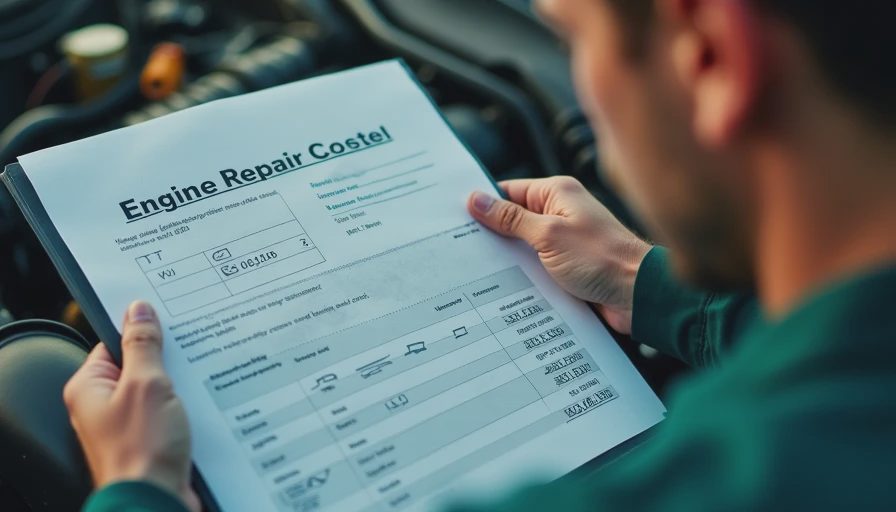
For a mainstream compact or midsize car, the total often stays around $250 to $700 if one mount is bad and access is decent. Once you add a second mount, the estimate usually moves into the $500 to $1,000 range. SUVs and trucks can land anywhere inside that band or above it because of weight, drivetrain layout, and the way brackets stack around the engine. If a subframe has to be lowered, or the shop must support the engine from above while removing brackets, the labor bill rises fast.
Why how much to replace engine mounts can be higher on performance cars
Performance cars are the ones that remind you how much engineering lives in the seemingly simple parts. A 911, M car, AMG sedan, or Corvette uses firmer tuning, and some models rely on active mounts that soften at idle and stiffen under load. When those pieces fail, the replacement parts are rarely cheap, and the labor is rarely simple. On a well-kept sports car, the mount job can be the difference between the car feeling taut and feeling like the drivetrain is moving half an inch every time you shift.
There is also a judgment call on doing one mount or all of them. If one side has failed from age, the other side is often close behind, especially on a car with 80,000 to 120,000 miles. Replacing both can save labor later, and it keeps the powertrain sitting level. I like to have the shop inspect the transmission mount and the dogbone or torque strut too, because those pieces can transmit the same thump and vibration that sent the owner in the door. Fresh mounts can restore refinement without changing the reason you love the car.

How to compare quotes before you approve the job
The best quote is the one you can read line by line. Ask for the parts brand, the labor hours, and whether the shop is replacing one mount or all the related hardware that gets disturbed during the job. Stretch bolts are common on modern cars, and reusing them can be a mistake. A dealer quote often costs more because the labor rate is higher, but an independent shop with strong European-car experience can be the smarter buy when the estimate is clear and the diagnosis is solid.
If you are comparing estimates and still sorting through how much to replace engine mounts, ask the mechanic to show you the failed piece and explain why it is the source of the vibration. That single step cuts down on guesswork, especially when a worn mount is only part of the problem. A clean quote should tell you whether the job is a simple rubber mount swap or a more involved repair that includes hydraulic parts, brackets, or subframe movement. Every car has a story. Here’s this one.
If the car is a collector piece or a weekend toy, I would lean toward OEM or OEM-equivalent parts even if the invoice is $150 to $300 higher, because repeat labor is what hurts. On a commuter, a reputable aftermarket mount from a known supplier can be perfectly sensible. Either way, the real win is a shop that checks the whole driveline, writes a clean estimate, and explains the tradeoff before the wrench turns.