The Ford GT Nurburgring time has always been more than a line on a forum thread. It is the kind of number that turns a beautiful mid-engine Ford into a conversation about ambition, tires, weather, and what a road car is really trying to prove. When I look at the GT, I do not see a spreadsheet with a badge; I see a modern interpretation of a Le Mans-bred idea, sharpened for one of the harshest testing grounds in the world. Every car has a story. Here is this one.
What makes the discussion so sticky is that the GT sits at the point where image and engineering actually meet. The shape is dramatic, yes, but the car was never only about theater. Buyers, collectors, and weekend track drivers care because a credible lap on the Nordschleife tells you something about cooling, braking, aero balance, and whether the whole package can hold together when the road gets ugly. That is the real appeal of the number.
Why the number matters
A lap time at the Nürburgring carries weight because the place exposes weak links fast. Long climbs punish cooling. Fast direction changes expose body control. Heavy braking zones ask questions about pedal feel, brake hardware, and how repeatable the car is after the first hot lap. A polished launch video can hide a lot. A hard lap on the Nordschleife usually cannot.
For the Ford GT, that matters because the car was built with serious intent. Its carbon structure, active aero, and dual-clutch transmission were not there to look expensive in a showroom. They were there to make speed usable. From behind the wheel, what stays with you is not just the headline horsepower; it is the way the car settles into a corner and keeps its nerve on exit. That is the kind of behavior that gives a lap time credibility.
Collectors notice the same thing. A documented performance claim can become part of a car's identity, just like a competition pedigree or a rare paint code. It does not replace provenance, but it does add another layer of story. In the right market, stories matter almost as much as numbers.
Heritage Note: the GT40 shadow is still there
Heritage Note: the modern GT is not pretending to be a GT40, but it absolutely borrows the older car's spirit. Ford's original Le Mans program was built around endurance, stubbornness, and public redemption. The road cars that followed carried some of that aura, even when they were parked under fluorescent lights instead of a pit gantry.
That is why the Ford GT Nurburgring time still resonates. The badge is not just a styling exercise; it carries a memory of Ford using racing to prove a point. The later GT, with its aero tunnel bodywork and track-first packaging, feels like a descendant that understood the assignment. It does not need to copy the old car panel by panel. It only needs to keep the same competitive posture. That is why the connection lands with enthusiasts who care about lineage as much as speed.
When I judge a car's story, I always ask whether the design, the hardware, and the mission agree with one another. On the GT, they do. That alignment is why even people who will never own one still follow every lap-time rumor, factory teaser, and test-day whisper. The car earns attention because the heritage is baked into the engineering, not painted over it.
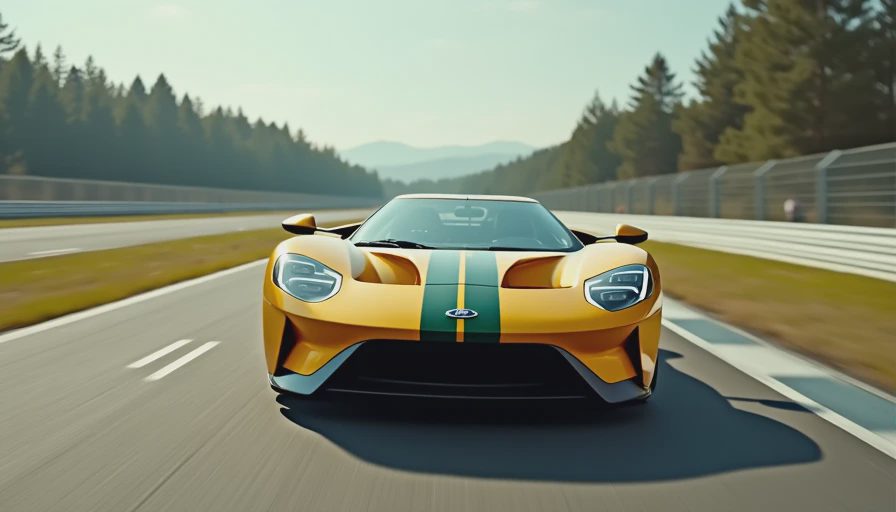
The myths that cling to a lap
The Nürburgring has a way of turning every claim into folklore. One driver swears the car was on street tires. Another says the track was damp in places. Someone else insists traffic ruined the run. This is exactly why lap-time arguments can get messy. A single number only means something when you know the driver, the tire, the weather, the traffic, and whether the car was in production trim or a carefully prepared development car.
That is where enthusiasts should slow down and ask a better question. What, exactly, is the car being asked to prove? A road car on Michelin Pilot Sport Cup 2 rubber in cool air will behave very differently from the same car on a hot day with a different alignment and a passenger seat full of timing gear. None of that makes the result fake. It just means context is part of the story.
The Ford GT Nurburgring time lives in that gray area between fact and legend because people want a clean answer from a complicated place. The better approach is to treat the lap as evidence of capability, not gospel.
What Ford built the car to do
If you came looking for the Ford GT Nurburgring time, the cleanest answer is that the car was built to be fast in a way that could be repeated. That is what separates a headline maker from a real performance machine. The GT's mid-engine layout keeps mass where it belongs. Its aerodynamics generate real downforce instead of just a dramatic silhouette. Its cooling package was designed so the car could keep pushing, not merely peak once and cool off.
That philosophy is part of why the car feels so complete. A good performance car does not simply sprint; it manages heat, tire wear, braking confidence, and driver trust all at once. The GT's cabin may look minimalist compared with some Italian exotics, but there is intelligence in that restraint. Nothing feels ornamental. Even the seating position, visibility compromises, and controls point toward one job: make the car fast and stable when the road gets serious.
For buyers, that matters. A supercar can be gorgeous and still feel fragile. The GT's appeal is that it feels engineered by people who expected the owner to actually drive it.
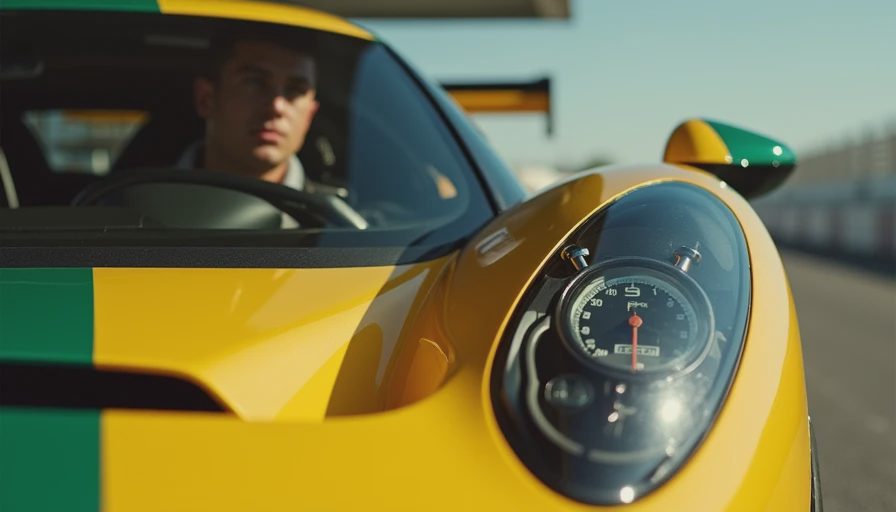
How enthusiasts should read the result
A lap on the Nordschleife is not the same thing as a quarter-mile pass or a magazine zero-to-60 test. It is a stress test of the whole machine. That is why the Ford GT Nurburgring time should be read as part of the car's biography, not the entire biography. The number tells you the GT can work under pressure. It does not tell you how it sounds in a tunnel, how the steering loads up in a fast sweeper, or how the body tenses when you brush the brake pedal before a corner.
From a collector's angle, that distinction matters. A car with racing roots, real road manners, and a documented performance claim usually has a stronger story than a car that only chases publicity. If you are shopping one, focus on service history, original build details, tire condition, and any track use that might have left a mark. The best examples are the ones that were admired and exercised, not just displayed.
That is also why the GT still feels fresh in enthusiast circles. It represents a time when Ford took the idea of a halo car seriously enough to make it do real work.
A buyer's-eye takeaway
If the Ford GT Nurburgring time is the only thing you remember, you miss the point. The better lesson is that the GT combines heritage, engineering discipline, and enough visual drama to make people argue about it for years. That is the sweet spot for any modern collectible: a car that performs, but also stands for something.
For anyone drawn to the GT today, that is the real hook. The number is interesting. The story around it is better. And the car itself, which is the part that matters most, still looks like it arrived from a future Ford imagined with racing in mind. In the end, that is why enthusiasts keep circling back. The lap time opened the door, but the car keeps you in the room.