Every car has a story. Here's this one. If you've felt a hard thump on startup, a strange vibration at idle, or an engine that seems to twist more than it should, you're probably already wondering about the **cost of replacing engine mounts**. This is one of those repairs that sounds small until you feel what worn mounts do to a car's character. From behind the wheel, what stays with you is not just the shake, but the sense that the whole drivetrain has lost its composure. The good news is that engine mount replacement is usually straightforward once the problem is properly diagnosed.
What engine mounts do and why they matter
Engine mounts are the quiet diplomats of the engine bay. They secure the engine and transmission to the chassis while absorbing vibration and limiting movement under acceleration, braking, and cornering. On many modern cars, the mounts are made of rubber bonded to metal. Some luxury and performance models use hydraulic mounts for better refinement, and a few higher-end applications use electronically controlled active mounts.
When mounts wear out, the symptoms are often easy to feel: extra vibration through the steering wheel, clunks when shifting from Park to Drive, movement under throttle, and sometimes visible sagging or cracked rubber. Left alone too long, bad mounts can put added stress on exhaust components, hoses, wiring, and CV joints. On a sports coupe or a grand tourer, that loss of smoothness is especially noticeable because the car no longer feels properly tied together.
That is why the **cost of replacing engine mounts** should be weighed against what ignoring them can do to comfort and to nearby parts. A modest repair now can prevent a more expensive chain reaction later.
Typical cost of replacing engine mounts
In most cases, the **cost of replacing engine mounts** falls somewhere between **$200 and $1,200 or more**. The spread is wide because there are usually one to three mounts involved, and access can vary from simple to frustrating.
For a common sedan or compact crossover with a single failed mount, you might pay **$200 to $500** for parts and labor. If the vehicle uses multiple mounts and the shop recommends replacing two or three at once, the total can land in the **$500 to $900** range. Luxury brands, performance cars, and vehicles with hydraulic or active mounts can easily push the bill to **$1,000 to $1,500+**.
Parts alone are often **$50 to $350 per mount**, though premium applications can go higher. Labor usually runs **1 to 4 hours**, depending on how much has to be removed or supported to access the mount safely. Shops generally need to support the engine from below or above during the job, which adds time and care.
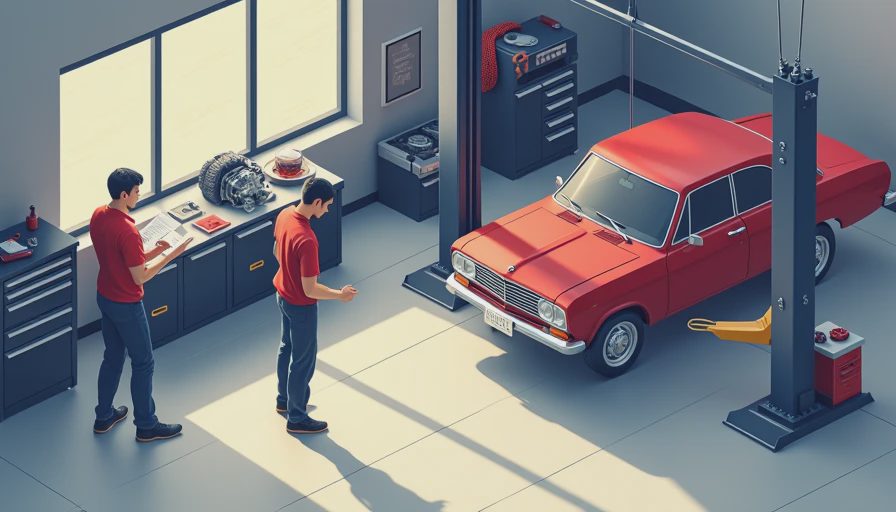
If you drive something like a Honda Accord, Toyota Camry, or Ford Escape, you are usually on the lower half of that range. If you own a BMW, Mercedes-Benz, Porsche, Audi, or certain performance-oriented SUVs, expect the **cost of replacing engine mounts** to be noticeably higher because parts pricing and labor rates tend to climb together.
What changes the price the most
The biggest factor is not the mount itself. It is access. On some cars, the upper mount is visible and reachable. On others, the technician has to remove intake components, splash shields, brackets, or even partially lower a subframe. Transverse front-wheel-drive cars can be labor-intensive because the drivetrain is packed tightly. Rear-wheel-drive performance cars can be easier in some areas and trickier in others, especially if space around headers or steering components is limited.
Mount design also matters. Standard rubber mounts are usually the most affordable. Hydraulic mounts cost more because they are designed to isolate vibration more effectively. Active mounts, found on some luxury and high-performance models, can be expensive enough to make owners pause.
Another cost driver is whether one mount failed early and the others are still healthy, or whether age has caught all of them at once. Many shops will recommend replacing mounts in pairs or as a set when wear is similar. That can raise the invoice now, but it often restores the car's smoothness more completely.
Heritage Note: old touring cars and modern luxury sedans share the same mission here. Refinement is never accidental. It is engineered, and engine mounts are part of that grace.
Should you replace one mount or all of them?
This is where a good shop earns your trust. If only one mount is clearly torn and the others inspect well, replacing just the failed mount can be perfectly reasonable. But if the car has high mileage and all the mounts are original, replacing more than one can save labor overlap and prevent a second visit a few months later.
A practical rule: if the car is older, the vibrations are severe, or the technician notes multiple cracked or collapsed mounts, ask for a quote on doing them together. It often improves shift quality, idle smoothness, and overall feel in a way a single mount does not. On some cars, that transformation is dramatic. A tired sports sedan can go from coarse and fidgety back to composed and expensive-feeling.

If budget is tight, prioritize the mount that has failed and ask whether the others are serviceable for another year or so. There is no shame in being strategic. A Miata deserves the same care as a 911, just with a different plan.
Can you drive with bad engine mounts?
Usually, yes for a short time, but it is not ideal. Worn mounts rarely strand a driver immediately, yet they can make the engine move more than intended. That movement can lead to harsh shifting, knocking noises, and extra wear on nearby parts. In severe cases, a broken mount can let the engine shift enough to damage hoses, exhaust flex joints, or other connections.
If the vibration is mild, you likely have time to book the repair and compare quotes. If the engine clunks loudly on takeoff, lurches during gear changes, or the mount has visibly separated, move quickly. This is especially true on vehicles with lots of torque, where drivetrain movement is more pronounced.
When comparing estimates, ask whether the quote includes OEM or aftermarket mounts. OEM parts usually preserve the original balance of comfort and control. Quality aftermarket options can save money, but bargain-bin mounts sometimes transmit more vibration and wear out sooner.
How to save money on engine mount replacement
Start with a proper diagnosis. Not every vibration is an engine mount. Misfires, rough idle, worn suspension bushings, or transmission issues can feel similar. Paying for the right diagnosis first can save you from replacing parts you did not need.
Then compare two or three quotes. Independent repair shops are often more affordable than dealer service departments, sometimes by a meaningful margin on labor. If you drive a mainstream model, a good local shop can be the sweet spot. If you own a newer luxury car with hydraulic or active mounts, a marque specialist is often worth the premium.
Ask whether replacing all recommended mounts at once reduces labor duplication. Also ask about warranty coverage on both parts and labor. A stronger warranty can justify a slightly higher upfront bill.
In the end, the **cost of replacing engine mounts** is about more than a line item on a repair order. It is about bringing back the mechanical poise the car was meant to have. Get a quote, fix it before nearby parts suffer, and let the car feel like itself again.