Detroit's Pulse: Why the Woodward Dream Cruise Still Matters in 2023
There is a specific frequency to the idle of a V8 that you feel in your sternum before you hear it with your ears. It's the sound of history refusing to rust. I've spent years standing on the manicured lawns of Pebble Beach, judging concours winners that haven't seen a drop of rain since 1965. But there's a raw, unpolished energy to the street metal that rolls down Woodward Avenue that you just can't replicate on a show field. It's grease, gasoline, and pride.
The automotive industry in the United States is not just a sector of the economy but a cornerstone of American culture with a rich and storied history. It can be traced back to the late 19th century when Henry Ford revolutionized transportation by developing his classic Model T, the first mass-produced automobile making cars affordable for the average American. That accessibility created a language we still speak today. When you twist a key and hear an engine catch, you're participating in a ritual that started in Michigan over a hundred years ago.
From Model T to Muscle
The early 20th century saw the proliferation of numerous automobile manufacturers across the country. At the heart of this industry lay Detroit, Michigan and names like General Motors, Ford, Chrysler, and Studebaker became household names as it grew rapidly. Referred to as the "Motor City", Detroit's relationship with the automotive industry is deeply intertwined, and its significance in shaping both the city and the nation cannot be overstated.
I grew up around collectors who treated spec sheets like holy scripture, but the real story isn't in the compression ratios. It's in the adaptability. During World War II, American automakers shifted production to support the war effort, a testament to their adaptability and contribution to national security. Those same factories that built tanks went back to building dreams when the smoke cleared.
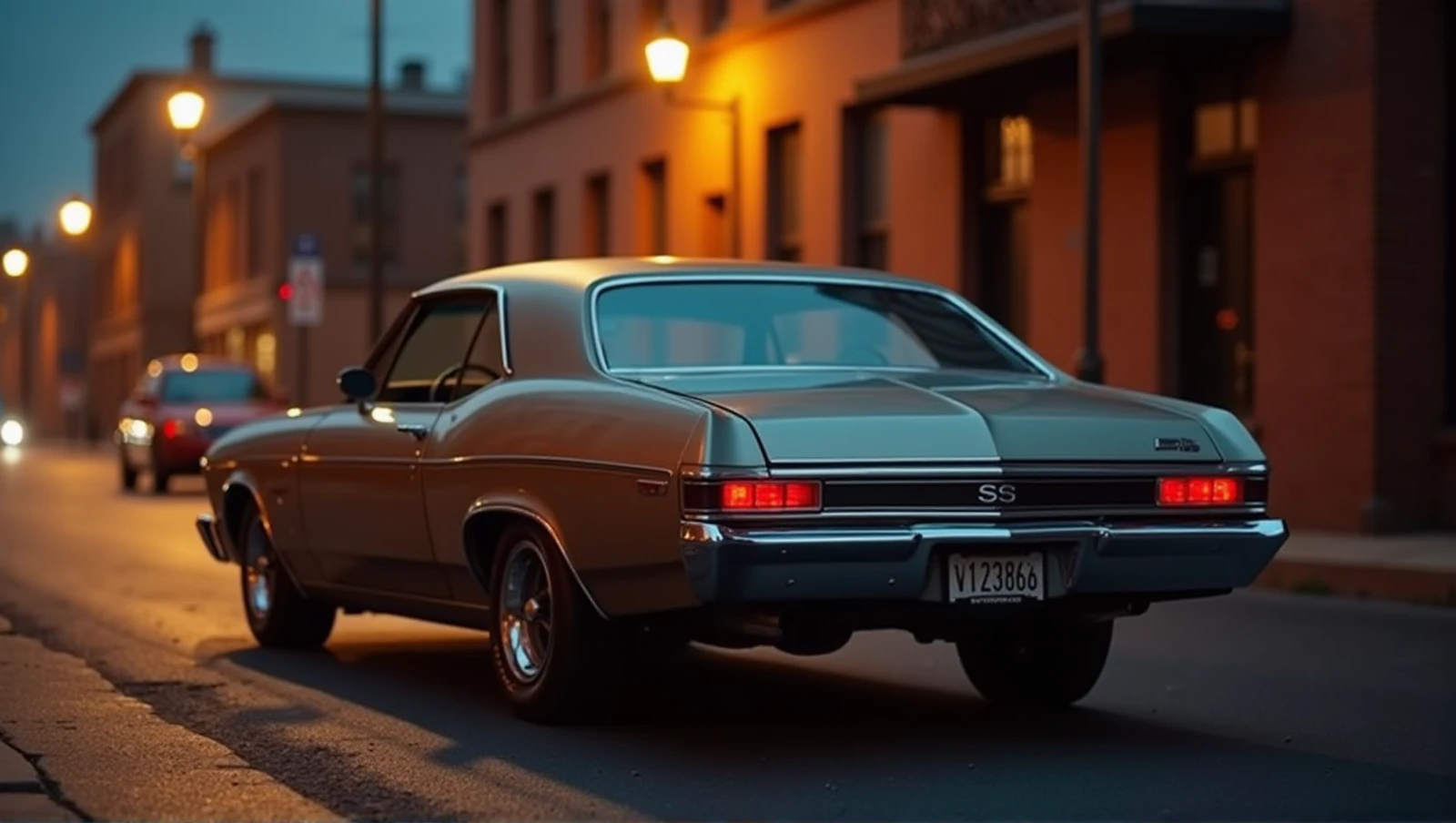
Post-war, the automotive industry continued to thrive, and the 1950s and 1960s marked a period of design innovation and consumer fascination with cars that became symbols of American freedom and individualism. This is the era that defines the collector market I work in. These aren't just machines; they are rolling sculptures of optimism.
The Woodward Pilgrimage
One of the most iconic events celebrating this automotive heritage is the Woodward Dream Cruise, which I had the privilege to attend last August. The show is a celebration of Detroit's automotive legacy and a tribute to classic cars and American car culture and is well positioned as the world's largest one-day automotive event that attracts car enthusiasts and spectators from all over the world.
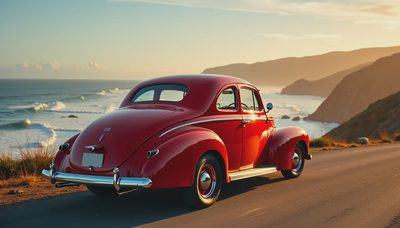
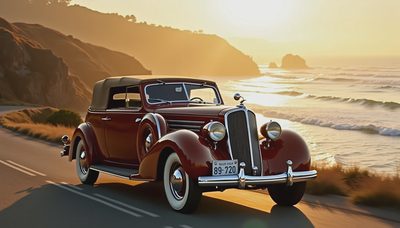
Being there changes your perspective. The Dream Cruise features a wide array of classic cars, muscle cars, hot rods, and vintage vehicles, many of which are meticulously restored to their former glory. The atmosphere is electric, with the rumble of engines, the smell of gasoline, and the nostalgia of bygone eras filling the air. As I roamed through the Woodward Dream Cruise, I found myself fully engulfed in a realm of automotive ardor and nostalgia.
There is a tangible link between the machinery and the people who drive it. As the CEO of Lastwolf, a realization dawned upon me – a captivating connection between Classic Leather Jackets and cars, a connection deeply ingrained in the very fabric of the burgeoning car culture, making the industry that I most love, somehow is also part of the automotive culture. Whether you're behind the wheel or watching from the curb, the style of the era matters. The leather, the steel, the oil—it's all part of the same legacy.
Heritage Note: The Human Element
*Vintage cars require vintage care. The same hands that stitch heavy-duty leather goods are often the hands rebuilding carburetors. Durability isn't just a marketing term; it's a requirement for survival on the road.*
In an age where software updates define performance, Woodward reminds us that mechanical sympathy still rules. These vehicles survive because owners refuse to let them die. They are maintained with the same care as a family heirloom. When you see a Studebaker or a early GM product cruising down Woodward, you aren't looking at a relic. You're looking at a survivor.
The industry that I most love is somehow also part of the automotive culture. It's a cycle. We build the cars, the cars define the culture, and the culture inspires the next generation of builders. Whether it's the late 19th century innovations or the 1950s design boom, the thread remains unbroken.
For those of us who spend our lives chasing perfection on the track or on the concours lawn, events like this ground us. They remind us that cars were meant to be driven, smelled, and heard. They are a legacy of history, written in steel and rubber, still rolling down the avenue where it all began.