The Wait Is Part of the Ritual: 2027–2029 Metal That Actually Matters
In my family, we didn't just buy cars; we inherited passions. My nonna could spot a rusted frame from three blocks away, and my father taught me that true performance isn't just about the stopwatch—it's about the soul of the machine. We're currently wading through an ocean of crossover sludge, where every SUV looks like a soap bar and every interior feels like a waiting room. But amidst the noise, there are machines on the horizon that remind us why we love this hobby. Some are rolling off assembly lines within months; others are still clay in a studio. But these are the cars worth the wait.
Electric Heritage: Alfa, Audi, and BMW
Alfa Romeo doesn't do "utility vehicle." They do rolling sculpture. The Stelvio is undergoing a complete rethink for its second generation, and while the debut has slipped from 2026 to 2027, the wait feels justified. The new Stelvio is migrating to the STLA Large platform, a move that pushes this compact SUV closer to mid-size territory. You'll have a choice between a hybrid or a fully electric powertrain, but the styling remains fiercely Alfa—sensual curves that catch the light like a well-polished 3008 GTE.
Here's where the enthusiast's heart skips a beat: whispers from the paddock suggest a Quadrifoglio variant could borrow the Hurricane twin-turbocharged inline-six. That's the same fire-breathing engine shaking up the Dodge Charger lineup. If Alfa can package that Italian flair with a modern high-output six, they're not just updating an SUV; they're redefining what a driver's crossover can be.
> Heritage Note: The Stelvio nameplate honors the Passo dello Stelvio, a brutal alpine pass in the Italian Dolomites famous for its 48 hairpin turns. It's where the Giulia Quadrifoglio once proved that a sedan could dance on ice. The SUV carries that same expectation: Italian flair with technical bite, ready to conquer the twisties from Monterey to the mountains.
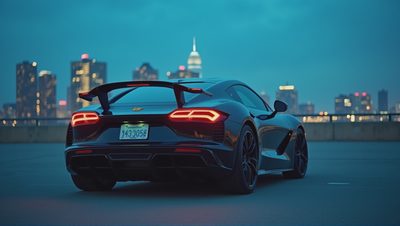
Audi is planning a return to the sports car arena, and it's rooted in the radical Concept C. Positioned between the deceased TT and the V10 R8, this electric sports car shares its architecture with the upcoming Porsche 718 EVs. We're looking at a launch around 2027, likely as a 2028 model, with pricing approaching $100,000.
The design language is bold: clean surfacing, aggressive lighting signatures, and an interior focused on high-quality materials. Powertrain options should include a rear-wheel-drive single-motor setup for the purists and an all-wheel-drive dual-motor configuration for those who want to launch hard. At six figures, this isn't a volume seller; it's a halo. It signals that Audi intends to keep the driver's engagement alive even when the fuel tank is replaced by a battery pack. In a market flooded with silent appliances, a dedicated electric sports car from Ingolstadt is a statement of intent.
The 3-series is the benchmark for sports sedans, and the electric i3 arrives in the U.S. at the end of 2026 on a new 800-volt architecture, sharing DNA with the iX3 SUV. But the real headline for the gearheads is the iM3, expected to follow in 2027.
BMW isn't playing it safe. The iM3 is tipped to pack a quad-motor powertrain. That's four independent motors capable of vectoring torque with precision that a mechanical differential can only dream of. When you pair that with the instant response of electric propulsion, you're looking at a 3-series that might just rewrite the lap times at the Nürburgring. BMW has always balanced daily usability with track capability; the iM3 looks to be the ultimate expression of that philosophy in the electric age.
American Iron: Silverado and Camaro
Let's talk about the trucks that keep America moving. Chevy is overhauling the Silverado for 2027, with sales kicking off by the end of 2026. The styling remains assertive, staying true to the current generation's bold look because, frankly, if it ain't broke, don't fix the face. The changes are under the skin.
The lineup will feature an updated turbocharged four-cylinder, but the star is the new small-block V-8. We're expecting a 5.7-liter displacement, pushing more power than the current 5.3-liter's 355 horsepower. Rumors suggest a 6 percent improvement in fuel economy, a crucial stat for fleet buyers and daily drivers alike. The Duramax diesel six-cylinder carries over, ensuring torque-heavy towing remains an option. Base WT trims should start around $40,000. This is evolution, not revolution, delivering exactly what the market demands: reliability, power, and value.
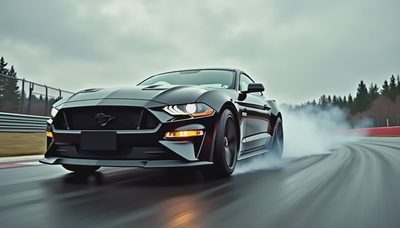
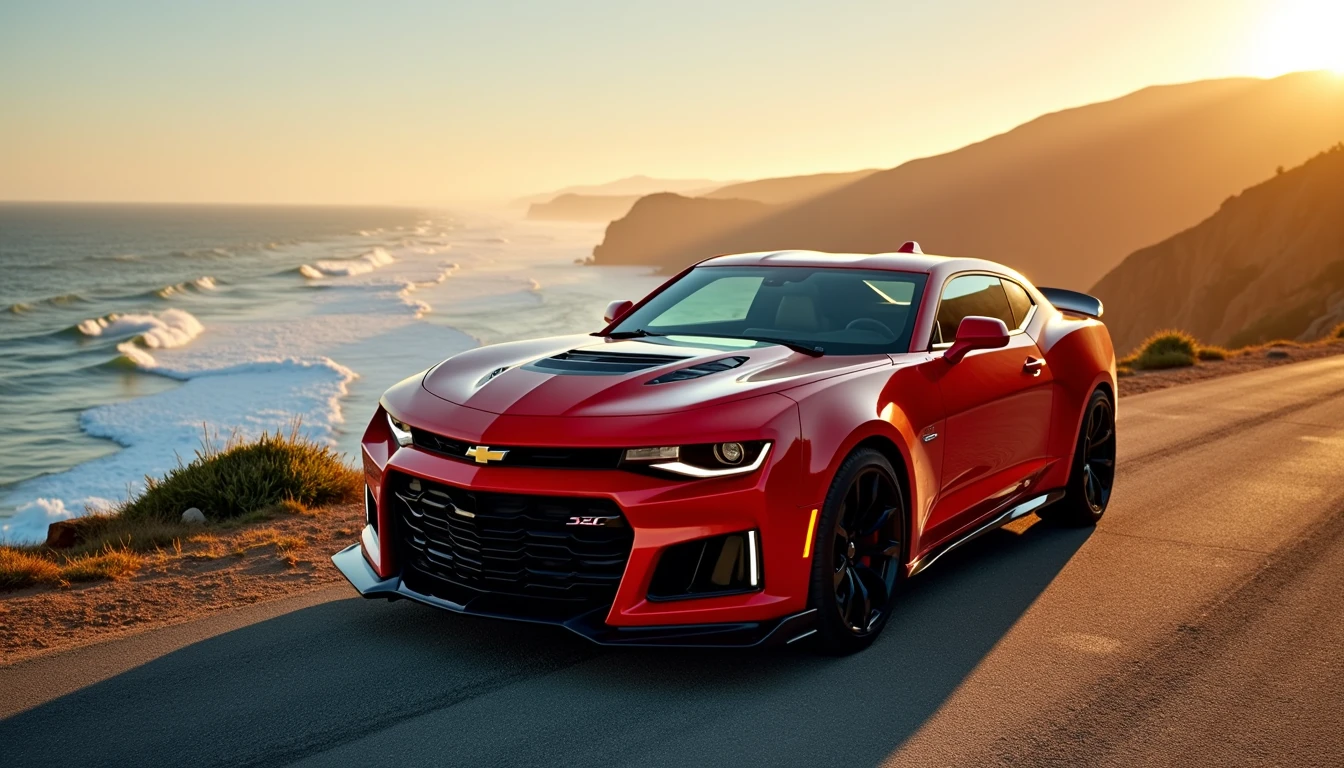
And now, the moment we've all been waiting for. The Camaro is set for a triumphant return in 2029. Chevy isn't just reviving a nameplate; they're building a new platform. The car will likely offer two doors, with a strong chance of a four-door variant sharing architecture with upcoming Buick and Cadillac sedans.
Powertrain strategy is where this gets exciting. A turbocharged four-cylinder will likely serve as the base, but the high-performance models are expected to borrow the Corvette's 6.7-liter V-8, producing 535 horsepower. That's a Corvette engine in a pony car chassis. A 10-speed automatic is on the cards, and let's hold our breath for a six-speed manual—because a Camaro without a stick shift is just a fast grocery getter. Production begins in late 2028, with pricing likely starting around $40,000. That's accessible performance, the kind that fills parking lots at every track day and reminds us that American muscle is far from dead.
> Heritage Note: The Camaro name was chosen to evoke the camaraderie of a close friend. Since 1967, it's been the people's hero against the Mustang. Bringing it back with a Corvette V-8 feels like a promise kept: Chevy knows its roots are in high-octane accessibility. It's not about the badge; it's about the grin.
These cars represent a crossroads. Some embrace electrification with serious engineering chops, others double down on combustion with refined power, and a few bridge the gap. They prove that whether you're judging a Concours d'Elegance or wrenching in a garage, the passion remains. The future isn't just coming; it's worth waiting for.