The Pragmatic Pivot: Why 2026’s Luxury Buyers Are Ditching Silent EVs for Combustion Soul
When the Temerario’s 10,000-rpm V8 finally catches its breath at the end of a straight, you don’t just hear it. You feel it in your molars and your sternum. It’s a mechanical scream that refuses to be digitized, a reminder that performance isn’t just about lap times or kilowatt-hours. It’s about the visceral handshake between driver and machine. That exact feeling is why the early 2020s’ frantic sprint toward a silent, lithium-powered future has officially hit the brakes. 2026 is the year of the pragmatic pivot, and the people who actually spend seven figures on machinery have started asking a simple question: where’s the soul?
Electric motors are brilliant appliances, but they make mediocre emotional companions. The latest dispatches from Sant’Agata, Maranello, and Goodwood prove that the industry has finally stopped lecturing us on sustainability and started listening to our desire for drama.
The Billion-Dollar ‘No’
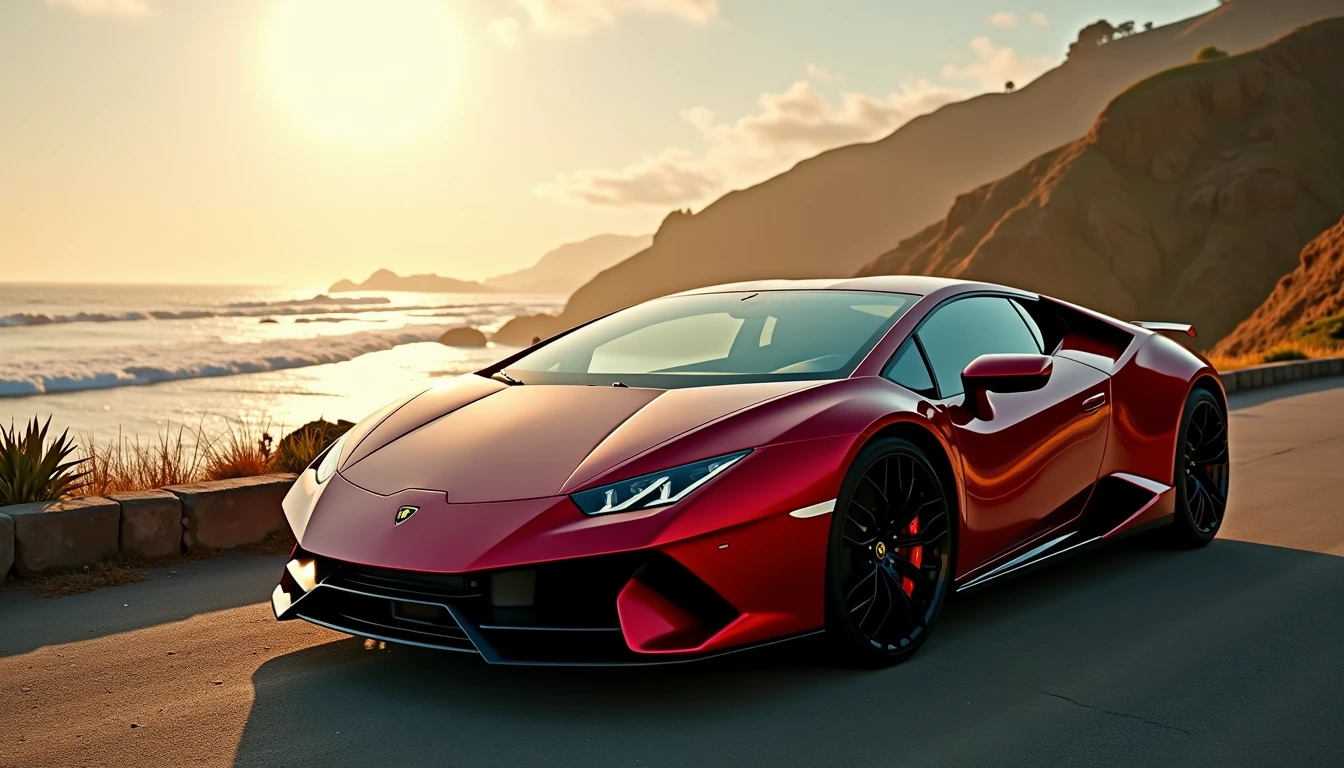
Lamborghini’s CEO Stephan Winkelmann just did something that would have been unthinkable three years ago. He took the Lanzador electric GT—a project we were told was the inevitable future—and quietly walked it behind the barn. The reason wasn’t engineering roadblocks or supply chain headaches. It was market reality. Acceptance is close to zero. Investing in a silent supercar is an expensive hobby that completely ignores the brand’s DNA. Instead, Sant’Agata delivered the Temerario, a hybrid successor to the Huracán that revs to a spine-tingling 10,000 rpm. It’s a calculated bet that in 2026, the sound of a screaming V8 is worth more than a carbon credit. You don’t buy a Lamborghini to glide past a noise ordinance. You buy it to feel the chassis vibrate through your spine when the tach needle kisses double digits.
Heritage Note: The Temerario’s 10,000-rpm redline isn’t just a marketing number. It’s a direct callback to the V12 scream of the original Countach and the Murciélago, proving that even with hybrid assistance, Sant’Agata refuses to sanitize the auditory experience that defined Italian supercars for fifty years.
When Luxury Becomes a Commission
Maranello is playing a different game, but the underlying philosophy is identical. The newly minted 849 Testarossa ditches the nerdy, aero-clad aesthetics of the SF90 for what insiders are calling jock in catwalk couture. With 1,050 cv and a chassis that uses 6D sensors to read your intentions before you even form them, it’s engineered to make the driver feel like a god rather than a passenger in a rolling computer. Ferrari’s Luce EV is still arriving this May with a Jony Ive-designed interior, but don’t hold your breath. The order books for everything wearing a Prancing Horse are essentially sealed until 2028. Veblen economics don’t care about your pre-order confirmation.
Over at Goodwood, Rolls-Royce validated the silence of electricity with the Spectre, but their biggest 2026 news isn’t about powertrains. It’s about control. The brand is aggressively expanding its Private Office bespoke ateliers globally. Why buy a stock Phantom when the factory will dispatch an artist to work alongside you? We’re talking woven leather, hand-painted wood galleries, and commissioned brushwork that turns a dashboard into a museum piece. The message is clear: a standard luxury car is nice, but in 2026, luxury is about ensuring your garage is as curated as your fine art collection.
The Weight of Expectation
In the true high-stakes arena, the fight is over milliseconds and bragging rights. Bugatti begins deliveries of the Tourbillon, a $4.6 million love letter to Swiss horology that replaces digital screens with sapphire-glass analog dials. Koenigsegg is doubling down on Dark Matter technology, perfecting a single electric motor in the Gemera four-seater to extract absurd power without adding traditional EV weight. Aston Martin is finally bringing the Valhalla hybrid supercar to market. But not every pivot lands cleanly.
Lotus is navigating the most difficult transition of all. Having launched the Eletre electric SUV and Emeya sedan, the Norfolk-born brand is fighting a perception battle. Can a company historically known for lightweight simplicity successfully convince enthusiasts that a 5,000-pound electric SUV still carries the Lotus badge? Even Maserati is caught in this pragmatic crossfire. While the Folgore electric line for the GranTurismo and Grecale has launched, the brand is reportedly reconsidering its timeline, acknowledging that keeping combustion options available for the MC20 much longer might be necessary to meet customer expectations of emotional performance.
The industry spent years lecturing us on sustainability while quietly building the tools to preserve what we actually love. 2026 isn’t about abandoning electrification. It’s about pairing it with purpose. Whether it’s a 10,000-rpm V8, a bespoke wood gallery, or analog dials where a touchscreen used to be, the message from the factories is unmistakable. We don’t just want faster cars. We want cars that feel like they were built for us. And after a decade of silence, the engines are finally singing again.