Ford’s Mustang GTD Just Wrote Its Name Into Nürburgring History
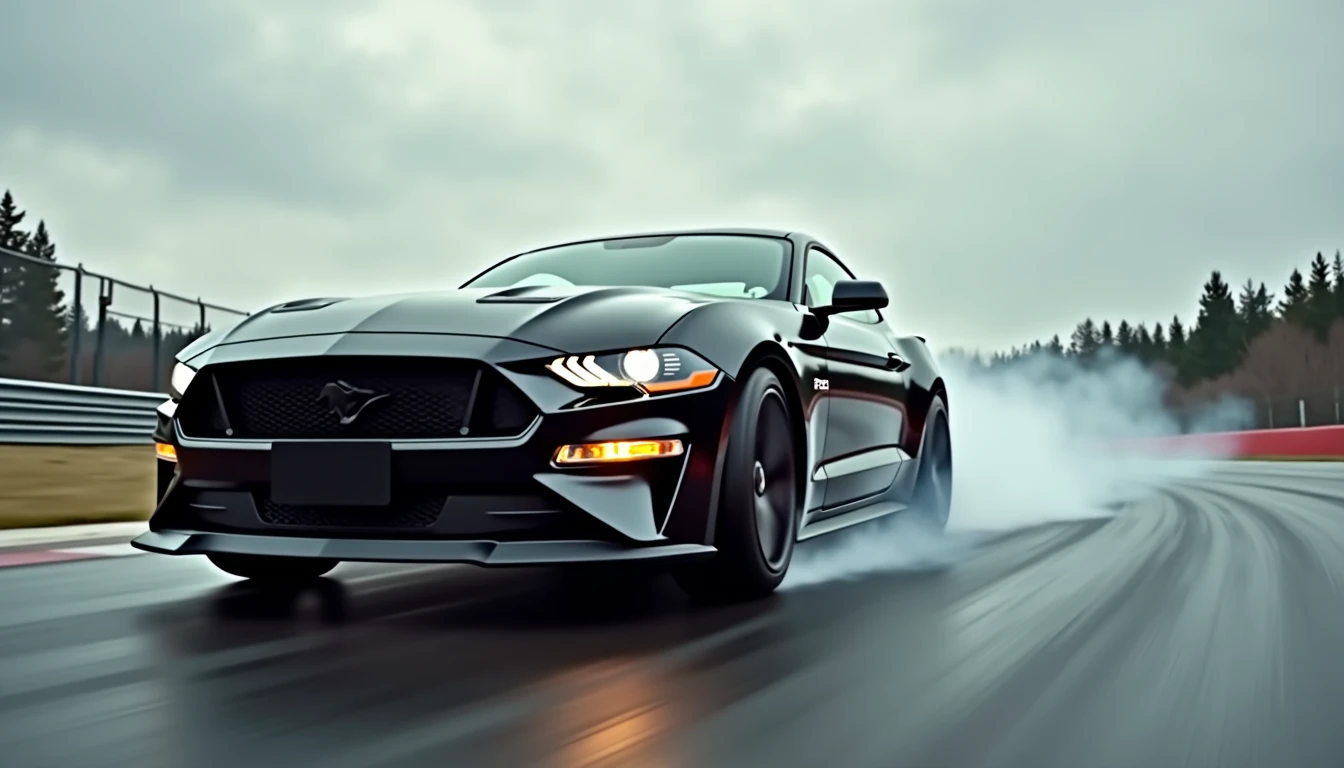
There’s a particular kind of violence that happens when a properly built American performance car attacks the Nürburgring Nordschleife. It isn’t just speed; it’s a conversation between tire, chassis, and tarmac that demands respect. The new Mustang GTD doesn’t ask for permission. It leans into the car’s natural aggression, channels decades of Mustang evolution, and delivers a driving experience that feels both brutally honest and meticulously calibrated. When Ford announced it had crushed the Corvette ZR1X’s lap time at the Green Hell, the automotive world didn’t just take notice—it leaned in. This isn’t about chasing a number for a brochure. It’s about proving that a street-legal Mustang can carry the weight of its heritage while outmaneuvering the most extreme track toys money can buy.
What the Lap Actually Means
Setting a record at the Ring isn’t a marketing exercise. It’s a stress test. The Nordschleife punishes compromise. It demands a chassis that can handle elevation changes, blind crests, and surface transitions that would unsettle lesser machines. The GTD’s success there tells you exactly how Ford engineered this car: with track durability in mind, but without sacrificing the road-going manners that have always kept Mustangs relevant. You can feel that balance the moment you turn the key. The steering communicates through the wheel rim, the suspension manages body control without turning the cabin into a vibration chamber, and the power delivery rewards smooth inputs rather than punishing hesitation. It’s a car built for people who actually drive their performance machines, not just park them for photos.
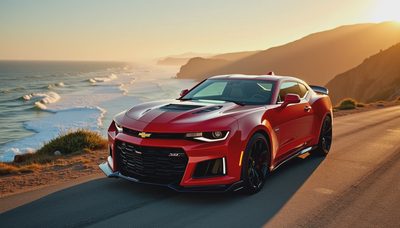
That’s why the ZR1X comparison matters. Chevrolet brought an extreme, aero-heavy package to the table, and Ford answered with something that feels more approachable on public roads while still dominating the circuit. The GTD doesn’t rely on gimmicks. It relies on weight distribution, aerodynamic efficiency, and a chassis tune that respects the driver’s skill. For a brand that’s spent decades refining the pony car formula, this is a statement of intent. Ford isn’t just playing in the same sandbox as the Europeans and the domestic competition. They’re dictating the terms.
Heritage Note
The GTD badge isn’t new to Mustang enthusiasts. It traces its lineage back to Ford’s racing division and the GT40 programs that dominated Le Mans in the 1960s. The original GT designation was reserved for track-bred machines that retained just enough road legality to homologate their racing pedigree. The modern GTD continues that tradition, bridging the gap between showroom floor and endurance racing. It’s a reminder that Mustang performance has always been about proving itself under pressure, not just posting impressive dyno numbers.
Where This Fits in the Lineup
The performance car market has fractured into two camps: hyper-exclusive limited runs and mass-produced daily drivers. The GTD sits squarely in the middle, and that’s exactly where it needs to be. It’s priced to compete with established track-focused coupes, but it carries the Mustang nameplate that’s been accessible to enthusiasts for generations. You don’t need a collector’s budget or a waiting list to experience what this car delivers. You just need a license, a willingness to learn the limits, and respect for the engineering that went into it.
Ford’s approach here mirrors what we’ve seen from brands that understand longevity. They didn’t chase a fleeting trend or build a one-off homologation special. They took a proven platform, refined it with modern materials and aerodynamic testing, and validated it where it counts. The result is a car that feels alive at speed, predictable when pushed, and genuinely exciting to own. In an era where so many manufacturers are sanitizing their performance models to meet efficiency targets or safety regulations, the GTD retains the raw communication that makes driving an event rather than a chore.
The Nürburgring record is just the opening chapter. What matters now is how owners adapt to it, how the used market values it, and whether Ford continues to support the platform with track-focused upgrades and community events. I’ve spent years judging concours entries and teaching performance driving, and I can tell you this: cars that earn their reputation on the circuit eventually become the classics we preserve. The GTD has already secured its place in that conversation. The rest is just mileage.